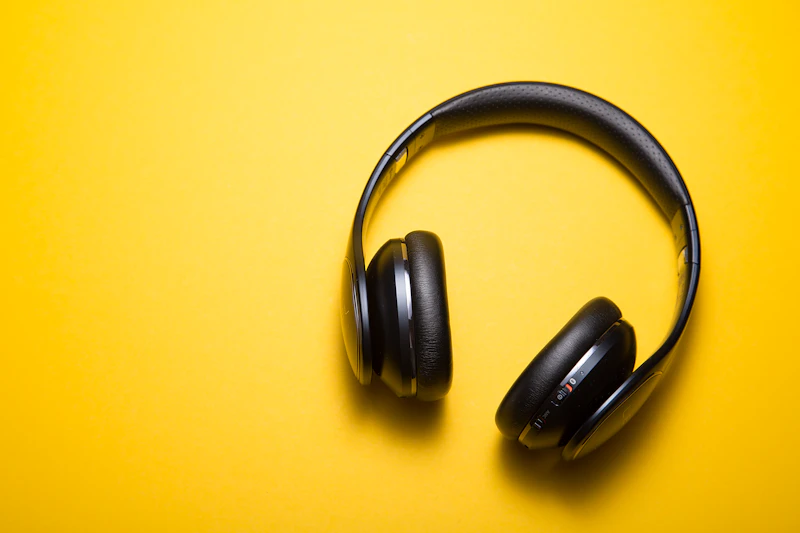
Noise Cancelling vs Open Back: Headphone Type Guide
Noise-cancelling headphones block the world out. Open-back headphones let it in. Each approach has devoted fans — here's which one matches your listening style.
BestElectronicsReviewed.com is a participant in the Amazon Services LLC Associates Program. We may earn a commission from qualifying purchases made through links on this page, at no extra cost to you.
Headphones come in fundamentally different designs that serve different purposes. Noise-cancelling headphones actively block external sound using microphones and counter-signal technology. Open-back headphones deliberately let ambient sound pass through their ear cups. These are not competing approaches to the same problem — they solve different problems entirely.
Noise-Cancelling Headphones: Block the World
Active noise cancellation (ANC) uses external microphones to pick up ambient noise and generates inverse sound waves that cancel it out. The result is dramatic quiet — airplane engine hum, office chatter, and urban traffic noise largely disappear.
The Sony WH-1000XM5 represents the current state of the art in noise cancellation. The multi-microphone system cancels a wide range of frequencies, the auto NC optimizer adjusts to your environment, and the transparency mode lets ambient sound through when you need it — ordering coffee, hearing announcements, or having a brief conversation without removing the headphones.
Best for: commuting, flights, open offices, coffee shops, noisy homes, and any environment where external noise is unwanted. ANC headphones are the top choice for focus work in non-quiet environments.
Open-Back Headphones: Let Sound Breathe
Open-back headphones have perforated or mesh-covered ear cups that allow air and sound to pass through in both directions. Sound reaches your ears more naturally, and the music has a wider, more spacious quality called soundstage.
The Sennheiser HD 560S provides the wide soundstage, natural tonality, and detailed imaging that make open-back headphones beloved by audiophiles and mixing engineers. Instruments have space between them, vocals feel present rather than compressed, and the overall listening experience is more natural than any closed-back or noise-cancelling headphone can achieve.
Best for: home listening in quiet environments, music production and mixing, critical audio evaluation, and long listening sessions where the open, non-isolating design reduces ear fatigue and heat buildup.
Read our headphone buying guide →
Sound Quality Comparison
At the same price point, open-back headphones typically deliver better sound quality than noise-cancelling headphones. The physics of open-back design — less internal resonance, more natural sound dispersion — inherently favors accurate audio reproduction.
Noise-cancelling headphones have improved dramatically, and premium ANC models sound excellent. But the slight processing introduced by noise cancellation and the sealed design compromise pure audio fidelity compared to well-designed open-back headphones.
For casual listening — streaming music, podcasts, video calls — the difference is subtle enough that most listeners will not notice. For critical listening — evaluating mixes, appreciating high-resolution audio, comparing recordings — open-back headphones reveal details that closed-back designs obscure.
Comfort for Extended Use
Open-back headphones are generally more comfortable for long sessions because air circulates through the ear cups, reducing heat and moisture buildup. Anyone who has worn noise-cancelling headphones for three-plus hours knows the warm, slightly sweaty feeling that builds up in sealed ear cups.
Open-back headphones eliminate this issue entirely. The trade-off is no noise isolation — you hear your environment, and your environment hears your music.
Privacy and Sound Leakage
Noise-cancelling headphones are essentially private — the sealed cups and ANC prevent sound from reaching others nearby and external noise from reaching you.
Open-back headphones leak sound freely in both directions. Everyone within a few feet can hear what you are listening to, and every sound in your environment reaches your ears. Open-back headphones are not viable on public transit, in offices, or anywhere that sound leakage or ambient noise is a concern.
Use Case Decision Matrix
Commuting: noise cancelling (blocks transit noise, private listening) Office work: noise cancelling (blocks coworker noise, private) Home listening in a quiet room: open-back (better sound quality, more comfortable) Music production/mixing: open-back (accurate sound reproduction, spatial imaging) Flying: noise cancelling (blocks engine noise, essential for travel) Gym/exercise: neither — use sport-focused earbuds Gaming: either works — open-back for immersive single-player, closed for competitive multiplayer
Can You Own Both?
The ideal setup for audio enthusiasts is both: noise-cancelling headphones for travel and noisy environments, open-back headphones for quiet home listening. This combination costs $300 to $700 for a quality pair of each but provides the best audio experience in every situation.
For most people, noise-cancelling headphones are the more versatile single purchase. If you listen exclusively in quiet environments and value sound quality above all else, open-back headphones provide a superior experience at the cost of versatility.
The Bottom Line
Noise-cancelling headphones: buy if you listen in noisy environments, value privacy, or want one pair that works everywhere.
Open-back headphones: buy if you listen primarily at home in quiet spaces, value sound quality and comfort, or work in audio production.
Neither is objectively better — they are designed for different situations. Knowing which situation matches your listening life makes the decision straightforward.
As an Amazon Associate, BestElectronicsReviewed earns from qualifying purchases.
Recommended Products
Top picks from our buying guides
Sony WH-1000XM5
#1 in Best Affordable Noise Cancelling Headphones for Your Setup 2026
Check PriceRelated Articles
Updated: How to Organize Your Desk Setup for Maximum Productivity (Spring 2026)
Updated: How to Organize Your Desk Setup for Maximum Productivity (Spring 2026) — expert analysis and tested recommendations from BestElectronicsReviewed.
TipsEssential Tech for Architects and Designers
Architecture demands serious computing power for CAD and rendering, precise displays for color accuracy, and collaborative tools that bridge the studio and job site.
TipsMust-Have Tech for Interior Designers
Modern interior design blends creativity with technology. From color-accurate displays to 3D rendering tools, here's the tech that gives designers a competitive edge.