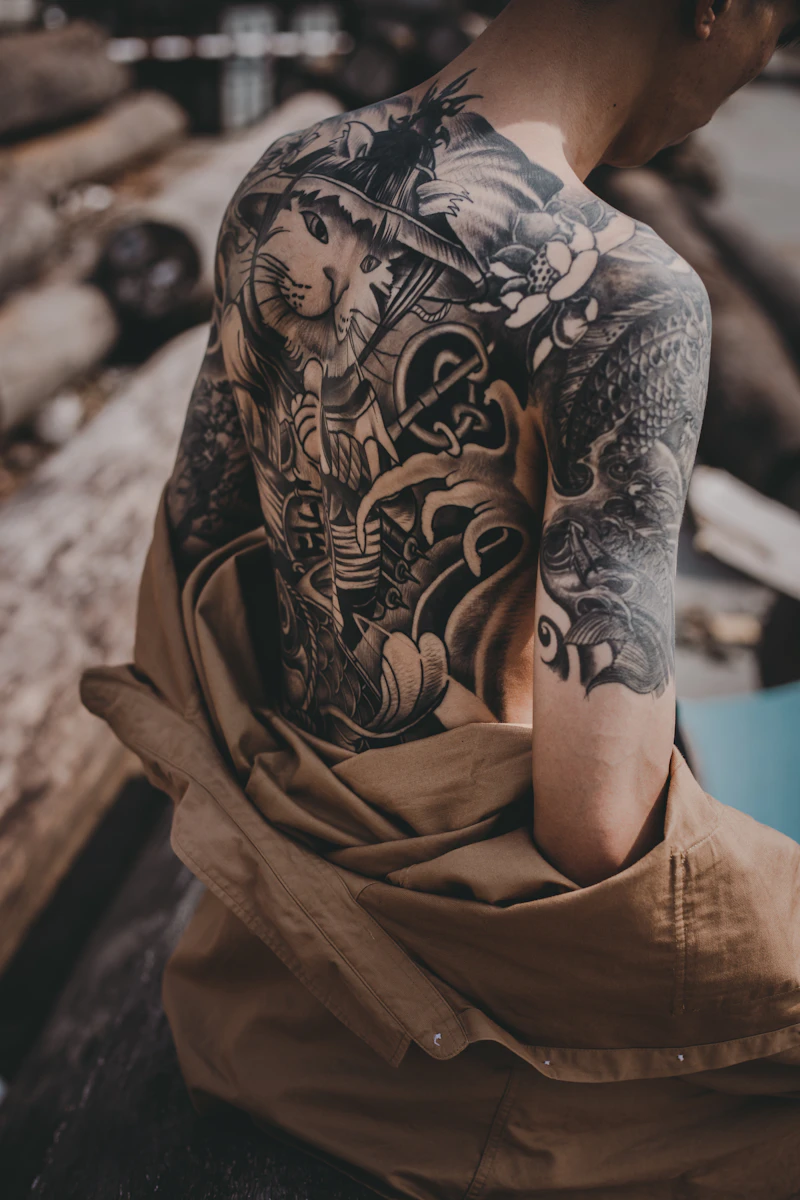
Must-Have Tech for Tattoo Artists
From digital drawing tablets to reference monitors, modern tattoo artists blend traditional skill with cutting-edge technology.
BestElectronicsReviewed.com is a participant in the Amazon Services LLC Associates Program. We may earn a commission from qualifying purchases made through links on this page, at no extra cost to you.
The tattoo industry has embraced technology in ways that would have seemed impossible a decade ago. Digital design, iPad stenciling, social media marketing, and even augmented reality previews are now part of the modern tattoo artist's workflow. Here is the tech that helps tattoo artists create better work and run a more efficient business.
iPad Pro for Design and Stencils
The iPad Pro has become arguably the most transformative tool in modern tattooing after the machine itself. Artists use it for custom design work in Procreate, generating stencils directly from digital drawings, showing clients variations instantly, and building a portfolio that lives in their pocket.
The Apple iPad Pro 13-inch M4 with the Apple Pencil Pro offers the large canvas that tattoo design demands, pressure sensitivity that mimics real drawing tools, and ProMotion display technology that makes every stroke feel instant. The 13-inch screen is essential — the 11-inch model is too cramped for detailed tattoo design work where you need to see fine line weights clearly.
Drawing Tablet for Studio Work
When you are at your workstation designing larger pieces, a dedicated drawing display provides a bigger canvas and more comfortable ergonomics than an iPad.
The Wacom Cintiq 22 gives you a 22-inch pressure-sensitive display that connects to your computer. The larger surface area is invaluable for back pieces, sleeve designs, and other large-format work where you need to see the entire composition at scale. The Pro Pen 2 stylus has 8,192 levels of pressure sensitivity and virtually zero lag.
Reference Monitor: Color Accuracy for Design
When designing color work, your reference monitor needs to display accurate colors. A tattoo designed with inaccurate blues or greens on screen will not translate well to skin.
A color-calibrated monitor with at least 99% sRGB coverage ensures your digital designs accurately represent the ink colors you will use. The BenQ PD2705U delivers factory-calibrated color accuracy in a 27-inch 4K package that shows every detail of your designs.
See our monitor recommendations →
Thermal Stencil Printer: Digital to Skin
The bridge between digital design and skin application is the thermal stencil printer. Modern units accept files directly from your iPad or computer, eliminating the need for intermediate printing steps.
Traditional carbon-copy stencil methods work but are time-consuming. A thermal printer that accepts wireless transfers from your iPad means you go from Procreate design to ready-to-apply stencil in under two minutes. This speed matters when you are adjusting designs based on client feedback — resize, reposition, reprint, and apply without the lag of hand-tracing.
Ring Light and Photography Setup
Your Instagram portfolio is your primary marketing tool. The quality of your tattoo photos directly impacts how many clients reach out for bookings.
The Neewer 18-inch Ring Light provides even, shadow-free lighting that shows tattoo detail without hot spots or color casts. Pair it with your phone mounted at center for consistent, professional-looking photos of every piece. Shooting immediately after completion while the tattoo is clean and fresh captures the work at its best.
Bluetooth Speaker: Studio Atmosphere
Music is essential to the tattoo studio experience — both for the artist's focus and the client's comfort. A good session can last six or more hours, and the right soundtrack keeps energy levels where they need to be.
The Marshall Stanmore III delivers rich, room-filling sound with a classic aesthetic that fits the vibe of most tattoo studios. The Bluetooth 5.3 connectivity is reliable, and the vintage-inspired design serves as decor in addition to function. For smaller private studios, the Marshall Acton III offers the same sound quality in a more compact form.
Payment Processing
Tattoo artists who accept only cash leave money on the table. A simple card reader attached to your phone or tablet handles deposits, session payments, and tip collection seamlessly.
Square is the most popular payment platform among tattoo artists because of its straightforward pricing, instant deposits for a small fee, and built-in invoicing for deposit collection. The physical card reader is free with a Square account, and the per-transaction fees are predictable.
Social Media and Booking
Instagram remains the primary platform for tattoo artist marketing. Beyond the photography setup, consider a scheduling tool that syncs with your Instagram bio link — clients should be able to see your work and book a consultation without leaving the platform.
Tattoo-specific booking platforms like Tattoodo or general booking tools like Calendly integrated with your social media presence streamline the consultation process and reduce no-shows with automated reminders.
The Complete Investment
A modern tattoo artist's tech setup runs $3,000 to $7,000 depending on whether you go with iPad-only or add a dedicated Wacom workstation. The iPad Pro should be your first purchase if you do not already have one — it transforms the design, stencil, and client communication workflow more than any other single tool.
As an Amazon Associate, BestElectronicsReviewed earns from qualifying purchases.
Recommended Products
Top picks from our buying guides
Sony WH-1000XM5
#1 in Best Must-Have Noise Cancelling Headphones for All-Day Use 2026
Check PriceRelated Articles
Updated: How to Organize Your Desk Setup for Maximum Productivity (Spring 2026)
Updated: How to Organize Your Desk Setup for Maximum Productivity (Spring 2026) — expert analysis and tested recommendations from BestElectronicsReviewed.
TipsEssential Tech for Architects and Designers
Architecture demands serious computing power for CAD and rendering, precise displays for color accuracy, and collaborative tools that bridge the studio and job site.
TipsMust-Have Tech for Interior Designers
Modern interior design blends creativity with technology. From color-accurate displays to 3D rendering tools, here's the tech that gives designers a competitive edge.