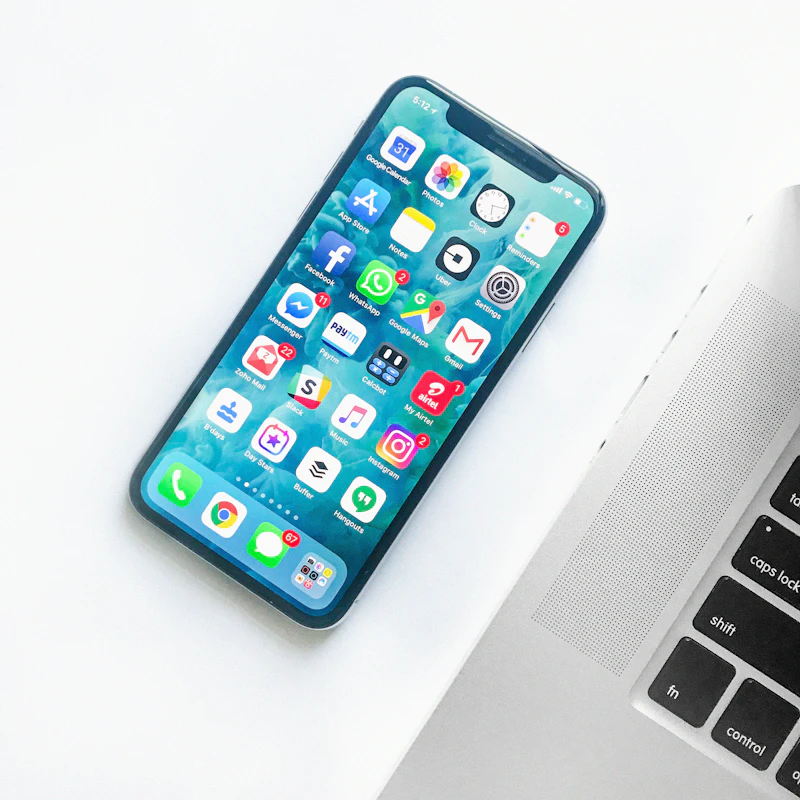
iPhone 16 Pro vs Samsung S26 Ultra Camera Comparison
Two of the best smartphone cameras in the world go head-to-head. We shot hundreds of real-world photos to find out which one actually takes better pictures.
BestElectronicsReviewed.com is a participant in the Amazon Services LLC Associates Program. We may earn a commission from qualifying purchases made through links on this page, at no extra cost to you.
Every year, the iPhone and Samsung Galaxy flagships trade blows in the camera department. In 2026, the iPhone 16 Pro and Samsung Galaxy S26 Ultra are closer than ever — but they take noticeably different approaches to photography. After shooting side-by-side for two weeks across a variety of scenes, here's how they compare.
Hardware at a Glance
iPhone 16 Pro: 48MP main (f/1.78), 48MP ultrawide (f/2.2), 12MP 5x telephoto (f/2.8). A18 Pro chip with dedicated camera ISP.
Samsung S26 Ultra: 200MP main (f/1.7), 12MP ultrawide (f/2.2), 50MP 3x telephoto, 50MP 5x telephoto. Snapdragon 8 Elite chipset.
Samsung wins on paper with more megapixels and an extra telephoto lens. But megapixels aren't everything, and Apple's computational photography pipeline is arguably the most refined in the industry.
Daylight Photography
In bright, well-lit conditions, both phones produce stunning photos. Colors are the biggest difference. The iPhone 16 Pro delivers more natural, true-to-life tones. Skin tones look realistic, grass is green without being neon, and skies are blue without being oversaturated.
The S26 Ultra produces punchier, more vibrant images out of the camera. Samsung has toned down the oversaturation that plagued earlier Galaxy models, but photos still lean toward vivid. Whether this is better is purely subjective — many people prefer the Samsung look for social media.
Detail-wise, the S26 Ultra's 200MP sensor captures slightly more fine detail when pixel-peeping at 100% crop. In a standard social media post or 4x6 print, the difference is invisible.
Winner: Tie (personal color preference decides)
Low Light and Night Mode
This is where computational photography matters most. The iPhone 16 Pro's Night mode activates automatically and produces remarkably clean images with minimal noise. Shadow detail is excellent, and the phone preserves natural-looking lighting instead of artificially brightening everything.
The S26 Ultra's Nightography has improved significantly but still tends to over-brighten night scenes, making midnight look like dusk. Noise handling is competitive with the iPhone, but the aggressive processing can smear fine textures.
For night portraits specifically, the iPhone 16 Pro produces more flattering skin tones and more natural-looking bokeh. The S26 Ultra occasionally applies too much smoothing.
Winner: iPhone 16 Pro
Zoom Quality
Samsung's dual telephoto system gives it a clear advantage at distance. The 3x telephoto captures sharp mid-range zoom shots, while the 5x telephoto handles longer distances. Between 3x and 5x, the phone intelligently crops from the 200MP main sensor, producing usable results.
The iPhone 16 Pro's single 5x telephoto is excellent at exactly 5x, but anything between 1x and 5x relies on digital crop from the 48MP sensor. At 3x, the S26 Ultra produces visibly sharper results.
At 10x and beyond, Samsung extends its lead. The S26 Ultra produces usable images at 10x and even 20x. The iPhone begins to fall apart past 10x with noticeable softness and artifacts.
Winner: Samsung S26 Ultra
Video Recording
The iPhone 16 Pro remains the king of smartphone video. ProRes and Log recording give professional editors maximum flexibility. Stabilization is industry-leading — handheld walking footage looks almost gimbal-smooth. Audio recording captures cleaner sound with better wind noise reduction.
The S26 Ultra shoots excellent 8K video and very good 4K, but stabilization isn't quite as smooth as the iPhone, and Samsung's video processing can introduce subtle jitter in some lighting conditions. The iPhone's Cinematic Mode also produces more convincing rack-focus effects than Samsung's equivalent.
Winner: iPhone 16 Pro
Selfie Camera
Both phones have excellent front-facing cameras. The iPhone 16 Pro's 12MP TrueDepth camera produces natural-looking selfies with accurate skin tones. Samsung's 12MP selfie camera is sharp but applies more beauty smoothing by default (which you can disable in settings).
Winner: iPhone 16 Pro (more natural processing)
The Bottom Line
Choose the iPhone 16 Pro if you prioritize video quality, natural color science, night photography, and a streamlined editing workflow. Choose the Samsung S26 Ultra if you want the best zoom capability, maximum versatility with four lenses, and prefer vivid, punchy colors.
Both are extraordinary cameras that happen to also make phone calls. You cannot make a bad choice here — only a different one.
If you need a protective case for either phone, the Spigen Ultra Hybrid keeps the camera bump protected without adding bulk.
As an Amazon Associate, BestElectronicsReviewed earns from qualifying purchases.
Recommended Products
Top picks from our buying guides
Related Articles
eero Pro 6E vs Nest WiFi Pro: Mesh Router Comparison
Two premium mesh router systems compete for your home network. We tested coverage, speed, setup, and smart home integration in a 2,400 sq ft home.
ComparisonsGuide: OLED vs Mini-LED Monitors: Which Display Is Better in 2026 (This Week)
Guide: OLED vs Mini-LED Monitors: Which Display Is Better in 2026 (This Week) — expert analysis and tested recommendations from BestElectronicsReviewed.
ComparisonsUpdated: OLED vs Mini-LED Monitors: Which Display Is Better in 2026
Updated: OLED vs Mini-LED Monitors: Which Display Is Better in 2026 — expert analysis and tested recommendations from BestElectronicsReviewed.