Why Soundbars Are Outselling Traditional Surround Sound
Soundbar sales have eclipsed traditional surround sound systems by 10:1. Here's why simplicity won — and whether you're actually losing audio quality by going soundbar.
BestElectronicsReviewed.com is a participant in the Amazon Services LLC Associates Program. We may earn a commission from qualifying purchases made through links on this page, at no extra cost to you.
The traditional home theater receiver with 5 or 7 separate speakers was the gold standard for home audio for decades. Today, soundbars outsell surround systems by a massive margin. The audio purists call this a tragedy. The average consumer calls it progress. Both have a point.
Why Soundbars Won
1. Simplicity
A traditional 5.1 surround system requires:
- An AV receiver ($200-500)
- 5 speakers ($200-1,000)
- A subwoofer ($100-300)
- Speaker wire routed to 5 positions around the room
- Configuration of the receiver (channel levels, crossover frequencies, lip sync delay)
A soundbar requires:
- One soundbar ($100-500)
- One HDMI cable or Bluetooth connection
- Plug it in and press play
The setup time goes from a full afternoon to 5 minutes. For most people, this convenience premium is worth far more than the audio quality difference.
2. Aesthetics
Modern living rooms prioritize clean, minimal design. Running speaker wire to rear surrounds, mounting bookshelf speakers, and hiding an AV receiver in a media console conflicts with modern interior design goals.
A soundbar sits cleanly under the TV. A wireless subwoofer tucks behind a couch. No visible wires, no speaker placement debates, no aesthetic compromise.
3. Room Compatibility
Surround sound is designed for rooms where the listener sits in a specific "sweet spot" equidistant from all speakers. Open floor plans, irregularly shaped rooms, and small apartments make proper surround placement impossible for many people.
Soundbars, especially modern ones with upfiring drivers and side-firing drivers, create a simulated surround effect that works in rooms where traditional surround cannot.
4. Price
A competent soundbar costs $100-300. A competent 5.1 system starts at $500 and requires proper speaker placement to sound good. For the same budget, a soundbar delivers better value for most living room layouts.
What You Give Up With a Soundbar
True Surround Immersion
Even the best soundbar with Dolby Atmos simulation cannot replicate the experience of sounds genuinely coming from behind you. A helicopter in a movie flying from the front to the back of the room sounds convincing with physical rear speakers. With a soundbar, the effect is suggested, not convincing.
Discrete Channel Separation
In a traditional system, each speaker handles a specific channel. The dialog (center channel) is physically separated from the sound effects (surround channels). This means clearer dialog during loud action scenes.
Soundbars combine channels within a single enclosure, which limits separation. High-end soundbars mitigate this with beam-forming technology, but it is not the same.
Upgradability
With a receiver-based system, you can upgrade individual components — swap the subwoofer, replace front speakers, add height channels. A soundbar is a sealed system — what you buy is what you get.
Raw Volume and Bass Impact
A dedicated subwoofer paired with floor-standing speakers can physically shake a room. Even the best soundbar subwoofers cannot match the displacement and impact of a 12-inch powered subwoofer.
The Modern Soundbar Sweet Spot
Today's mid-range soundbars have closed much of the gap with traditional surround sound. The technology has improved dramatically:
Dolby Atmos Soundbars
Upward-firing drivers bounce sound off the ceiling to create overhead audio effects. It genuinely works in rooms with flat ceilings under 10 feet. Combined with side-firing drivers for width, modern Atmos soundbars create a convincing sense of spatial audio.
Our pick: The Sonos Arc is the best all-around soundbar — Dolby Atmos, 11 internal drivers, room calibration via TruePlay, and it integrates into Sonos multi-room audio. Dialog clarity is excellent, and the spatial effects are the best in the soundbar category.
Soundbar + Subwoofer + Rear Speaker Combos
Several brands offer wireless rear speakers that pair with their soundbars, creating a true surround setup without running speaker wire.
Best system: The Samsung HW-Q990D 11.1.4 Soundbar includes the soundbar, wireless subwoofer, and two wireless rear speakers. It delivers genuine Dolby Atmos surround with physical rear channels — the closest a soundbar system gets to traditional surround.
Budget Soundbars
Even at $100-150, modern soundbars dramatically outperform built-in TV speakers. If your TV's audio sounds thin and tinny, any soundbar is a significant upgrade.
Budget pick: The Vizio V-Series 2.1 Soundbar includes a wireless subwoofer, supports Bluetooth, and costs around $100. It will not fool you into thinking you are in a movie theater, but it makes TV watching genuinely enjoyable.
Who Should Still Buy Traditional Surround
Traditional 5.1 or 7.1 surround sound still makes sense for:
- Dedicated home theater rooms — If you have a room designed for movie watching, real surround speakers deliver the definitive experience
- Audiophiles — If you can hear the difference and it matters to you, there is no substitute
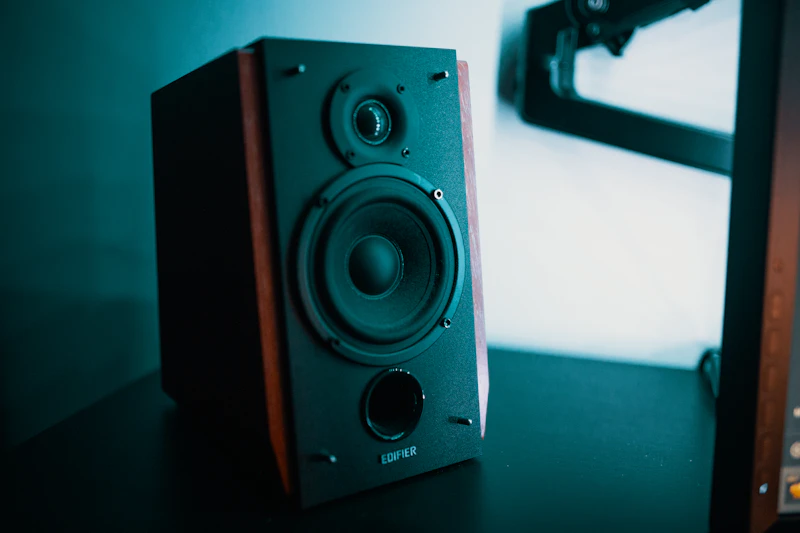
- Music listeners — Stereo bookshelf speakers or floor-standers with a quality amplifier produce better music than any soundbar
- Gamers — Competitive gaming benefits from precise positional audio that physical speakers deliver better than soundbar simulation
The 80/20 Recommendation
For 80% of people: buy a quality soundbar. The Sonos Beam Gen 2 ($400-450) or Sonos Arc ($700-800) with an optional subwoofer delivers 85-90% of the surround sound experience with 10% of the setup complexity.
For the 20% who have a dedicated room, the patience for setup, and ears that demand the best: a traditional AVR-based system with quality speakers is still the superior audio experience.
The soundbar has not killed surround sound — it has made great audio accessible to everyone.
Read our soundbar buying guide →
As an Amazon Associate, BestElectronicsReviewed earns from qualifying purchases.
Recommended Products
Top picks from our buying guides
Related Articles
Guide: Why USB-C Cables Are Not All the Same: A Technical Guide (Spring 2026)
Guide: Why USB-C Cables Are Not All the Same: A Technical Guide (Spring 2026) — expert analysis and tested recommendations from BestElectronicsReviewed.
Deep DiveWhy Ultrawide Monitors Are Better Than Dual Monitors
Two monitors or one ultrawide? After testing both setups extensively, the ultrawide wins for most people. Here's the detailed case.
Deep DiveWhy USB-C Cables Are Not All the Same: A Technical Guide (March 2026)
Why USB-C Cables Are Not All the Same: A Technical Guide (March 2026) — expert analysis and tested recommendations from BestElectronicsReviewed.