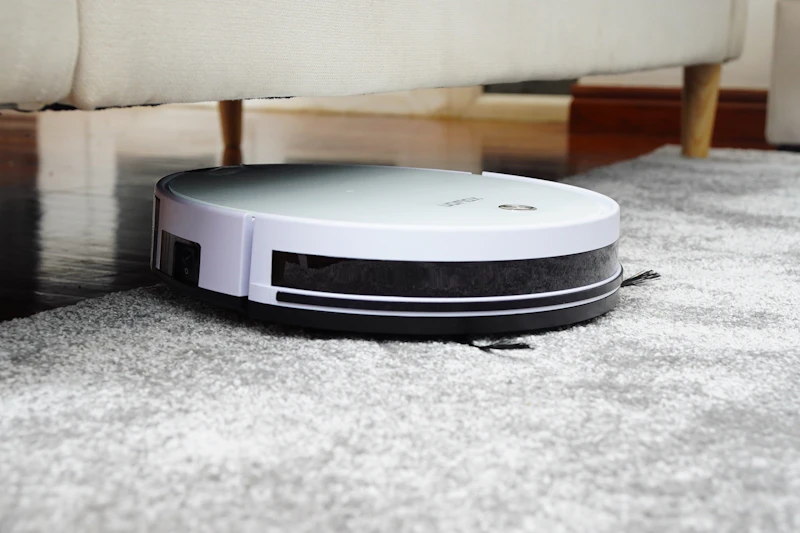
What to Look for in a Cordless Vacuum
Battery life, suction power, weight, and dustbin size all matter. Here's how to evaluate cordless vacuums like an informed buyer.
BestElectronicsReviewed.com is a participant in the Amazon Services LLC Associates Program. We may earn a commission from qualifying purchases made through links on this page, at no extra cost to you.
Cordless vacuums have improved dramatically in the past five years. Modern models deliver suction comparable to plug-in uprights, run for 40-60 minutes on a charge, and weigh half as much. But the market is crowded with models ranging from $100 to $800, and the spec sheets can be misleading. Here is what actually matters when choosing a cordless vacuum.
Battery Life: The Most Important Spec
Every cordless vacuum lists two battery life numbers: the optimistic one (low power, no motorized brush head) and the realistic one (standard power, motorized floor head attached). Focus on the realistic number.
For a one-bedroom apartment, 20 minutes of actual runtime is sufficient. For a 2,000-square-foot home, you need 40 minutes minimum, preferably 50 or more. If you have multiple floors, consider a model with a removable battery so you can swap in a charged spare halfway through.
Be aware that manufacturers measure runtime with the vacuum running freely — not actually cleaning a floor. Real-world runtime is typically 15-20% less than advertised because the motor works harder when the brush head encounters resistance from carpet or debris.
Suction Power: Look Beyond the Numbers
Suction is measured in Air Watts (AW) or Pascals (Pa). Higher numbers generally mean more pickup power, but these measurements are taken at the motor, not at the floor head. What matters more is how effectively the brush head transfers that suction to the floor surface.
A well-designed floor head with a tight seal and effective brush roll can outperform a higher-suction competitor with a poorly designed head. The best way to evaluate this is through third-party reviews with actual pickup tests on carpet and hard floor.
Premium cordless vacuums like the Dyson V15 Detect include a laser that illuminates dust on hard floors and a piezo sensor that counts particles being picked up. These features let you verify that the vacuum is actually cleaning rather than just running.
Weight and Ergonomics
Cordless vacuums are meant to be carried around the house, used overhead for ceilings and curtains, and maneuvered under furniture. Weight matters more than with a corded vacuum that rolls along the floor.
The sweet spot is 5-7 pounds. Under 5 pounds usually means compromises in battery size or suction power. Over 7 pounds becomes fatiguing during extended cleaning sessions, especially when using overhead attachments.
Pay attention to weight distribution. A vacuum with the motor and battery in the handle (like most Dyson models) feels heavier overhead than one with the motor at the floor head (like most Shark models). Try before you buy if possible.
Dustbin Capacity
Cordless vacuums have smaller dustbins than uprights, typically 0.2 to 0.7 liters. If you have pets, a 0.2-liter bin will fill up multiple times during a single cleaning session.
Look for at least 0.5 liters, or choose a model compatible with a self-empty dock. The Shark Detect Pro offers a cordless stick vacuum with an auto-empty base, bridging the convenience gap between cordless sticks and robot vacuums.
Floor Head and Attachments
The floor head should be appropriate for your primary floor type. Soft roller heads are best for hard floors — they pick up fine dust without scattering it. Motorized brush rolls are essential for carpet, where they agitate fibers to release embedded dirt.
Many premium models include both heads. At minimum, verify that the model comes with a crevice tool, a dusting brush, and an upholstery tool for furniture. Avoid models that require you to purchase attachments separately.
Filtration
If anyone in your household has allergies or asthma, HEPA filtration is non-negotiable. HEPA filters capture 99.97% of particles down to 0.3 microns, preventing fine dust from being expelled back into the room through the vacuum's exhaust.
Check whether the filter is washable or disposable. Washable filters save money over time but need to dry completely (24 hours) before reinstalling, so having two filters on rotation is practical.
What to Skip
Avoid cordless vacuums that convert into handheld units by removing the wand unless the handheld performance is genuinely good. Many of these hybrid designs compromise both modes.
Also skip features like LED headlights on the floor head unless they are laser-based (like the Dyson V15 Detect). Simple LED lights look impressive in demos but do not meaningfully improve cleaning effectiveness in normal lighting conditions.
As an Amazon Associate, BestElectronicsReviewed earns from qualifying purchases.
Recommended Products
Top picks from our buying guides
iRobot Roomba j7+ Self-Emptying Robot Vacuum
#1 in Best Robot Vacuums for Hands-Free Clean Floors
Check PriceRelated Articles
Best Kitchen Tech for Meal Prep
Meal prep is easier with the right gadgets. From food scales to vacuum sealers, these kitchen electronics save hours every week.
Buyer GuidesWhole House Water Filtration: Smart Filters and Monitoring Systems
From under-sink filters to whole-house systems, smart water filtration monitors filter life, detects contaminants, and ensures clean water from every tap.
Buyer GuidesBest Homework and Study Apps for Middle and High School Students
From math solvers to flashcard apps to essay helpers, these study tools help older students work smarter without doing the work for them.