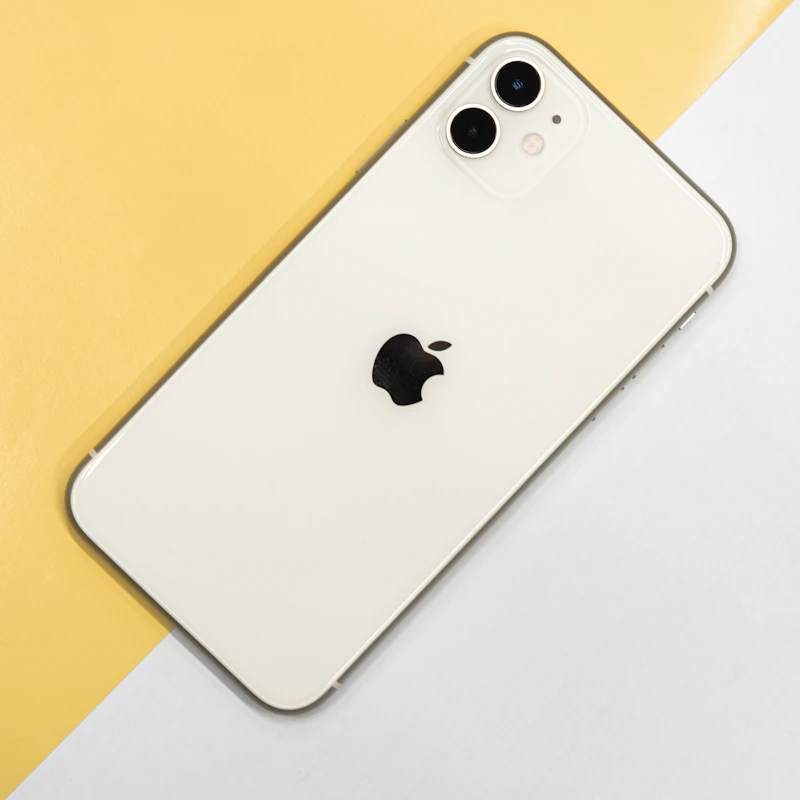
What Apple's Next Camera Sensor Means for iPhone Photography
Apple is reportedly developing a custom camera sensor for future iPhones. Here's what the rumors suggest and how it could change mobile photography.
BestElectronicsReviewed.com is a participant in the Amazon Services LLC Associates Program. We may earn a commission from qualifying purchases made through links on this page, at no extra cost to you.
Apple has long designed its own processors, and now credible reports suggest the company is developing custom camera sensors for future iPhones. Currently, Apple sources sensors from Sony — like virtually every other smartphone manufacturer. A shift to custom-designed sensors would follow the same playbook Apple used with the M-series chips: designing silicon specifically optimized for its own software, rather than adapting someone else's general-purpose hardware.
What We Know So Far
Multiple supply chain reports indicate Apple has been expanding its camera sensor design team since 2023. Patent filings show Apple researching novel pixel architectures, including stacked sensor designs that separate photodiode and processing layers. Industry analyst Ming-Chi Kuo has noted that Apple is working with TSMC on sensor fabrication, which would use the same advanced semiconductor manufacturing process as Apple's A-series and M-series chips.
No specific launch timeline has been confirmed. The most aggressive estimates suggest a custom sensor could appear in the iPhone 18 Pro (2027), while conservative estimates place it at 2028 or beyond. Camera sensor development has longer lead times than processor design, so even Apple's substantial R&D resources can't rush the process.
Why Custom Sensors Matter
Today's smartphone camera pipeline works like this: Sony designs a general-purpose sensor, sells it to Apple (and Samsung, and Google, and everyone else), and each manufacturer writes software to get the best results from the same hardware.
This means Apple's computational photography software is optimized for hardware it didn't design. There's inevitably a gap between what the software wants to do and what the hardware can provide. Custom sensors would close this gap entirely.
Tighter ISP integration: Apple's Image Signal Processor (ISP) is already custom-designed and built into the A-series chip. A custom sensor could be designed to feed data to the ISP in the exact format and timing it needs, reducing latency and enabling processing features that aren't possible with off-the-shelf sensors.
Optimized pixel design: Apple could design pixels specifically for its computational photography algorithms. For example, if Apple's multi-frame capture benefits from a specific readout speed or noise profile, the sensor could be engineered for that exact use case rather than being a compromise across dozens of different manufacturers' needs.
Better machine learning integration: Apple's Neural Engine processes AI tasks in the camera pipeline. A custom sensor could include on-chip processing that pre-filters data before it reaches the main processor, enabling real-time features that current hardware can't handle — like applying computational photography to 4K/120fps video.
What Could Change in Practice
For everyday photographers, the most visible improvements would likely be:
Low-light photography: Custom pixel architectures could capture more light per pixel, reducing noise and enabling faster shutter speeds in dark environments. Night mode could become invisible — producing clean results without the multi-second capture delay.
Video quality: The biggest gap between smartphones and dedicated cameras is video processing speed. A sensor designed to work with Apple's ProRes pipeline could enable computational photography techniques in video — multi-frame HDR, noise reduction, and intelligent scene optimization applied to every frame of 4K/60fps video in real time.
Portrait mode accuracy: Current depth estimation relies on comparing images from multiple cameras or using LiDAR data. A custom sensor could include dedicated depth-sensing elements at the pixel level, producing accurate depth maps without secondary cameras.
Battery efficiency: When the sensor and processor are co-designed, data transfer between them can be more efficient. Less wasted processing means less heat and longer battery life during camera-intensive tasks.
The Competitive Landscape
Samsung already designs its own ISOCELL sensors, giving it tighter hardware-software integration than Apple currently has with Sony sensors. Google has also been investing in custom camera hardware through its Tensor chip's dedicated camera processing capabilities. Apple would be catching up to a trend that competitors have already started, not breaking new ground.
However, Apple's track record with custom silicon is hard to argue with. The transition from Intel to Apple Silicon in Macs produced generational improvements in performance and efficiency. If Apple applies the same design philosophy to camera sensors, the results could be similarly transformative.
Should You Wait to Buy?
No. The best camera is the one you have today, and current iPhones already take exceptional photos. If you're in the market now, the iPhone 16 Pro represents the pinnacle of Apple's current camera technology. Waiting two or three years for a potential sensor upgrade means missing thousands of moments you could be capturing now.
Custom sensors will be an evolution, not a revolution. Your photos will get incrementally better, just as they have with every iPhone generation. The fundamentals of good photography — light, composition, and timing — won't change regardless of what sensor is inside the phone.
As an Amazon Associate, BestElectronicsReviewed earns from qualifying purchases.
Recommended Products
Top picks from our buying guides
Related Articles
USB4 and What It Means for External GPUs
USB4 promises bandwidth that could make external GPUs viable for gaming laptops. Here is the current state of eGPU technology and where it is heading.
NewsWalkie-Talkies in 2026: Still Useful or Completely Obsolete?
In an era of unlimited cell plans, who needs walkie-talkies? Surprisingly, a lot of people. Here's when they still beat your phone.
NewsRight to Repair in 2026: Which Brands Support Self-Repair?
Right to repair legislation is expanding, and some brands are embracing it. Here's which companies let you fix your own devices and which still fight it.