The State of VR in 2026: Quest 4 and Beyond
VR headsets have gotten lighter, sharper, and more affordable. But is VR finally mainstream? Here's where the technology stands in 2026.
BestElectronicsReviewed.com is a participant in the Amazon Services LLC Associates Program. We may earn a commission from qualifying purchases made through links on this page, at no extra cost to you.
VR has been "the future" for a decade. With Meta's Quest 4, Apple's Vision Pro, and Sony's PS VR2 all in the market, 2026 is the most competitive the VR landscape has ever been. Here's where things actually stand — what works, what doesn't, and whether you should buy in.
The Current Headset Landscape
Meta Quest (Dominant Market Leader)
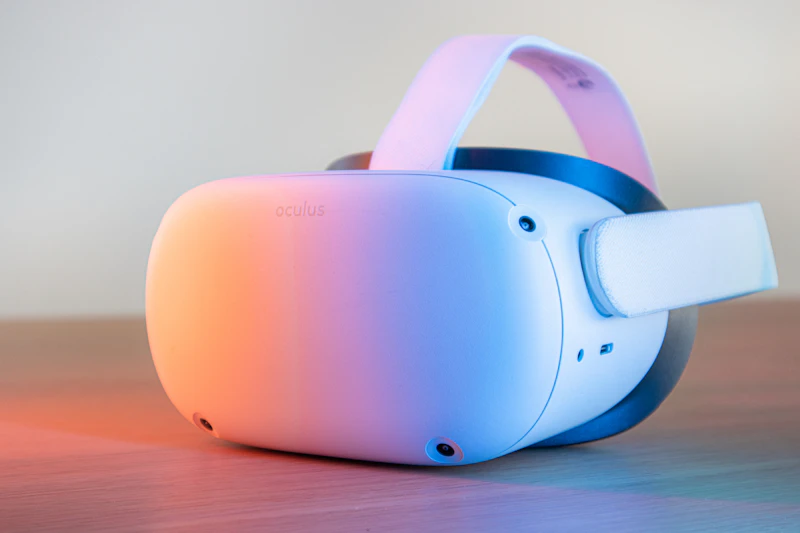
Meta (formerly Oculus) dominates consumer VR with roughly 70% market share, thanks to aggressive pricing and a self-contained design that doesn't require a PC.
The Quest 3 ($499) remains the best value in VR. It offers standalone operation (no PC required), excellent mixed reality (color passthrough for AR experiences), a growing library of 500+ games, and compatibility with PC VR via USB-C or wireless Air Link.
The Quest 3S ($299) brings the core Quest experience to a lower price point with slightly reduced specs (lower resolution lenses, narrower FOV) but the same processor and game library.
Apple Vision Pro ($3,499)
Apple's entry is less about gaming and more about "spatial computing" — using virtual screens in your physical space. It excels at productivity (multiple virtual monitors), media consumption (watching movies on a virtual theater screen), and demonstrating what premium VR/AR can look like.
At $3,499, it's not a consumer product yet — it's a developer and enthusiast device. The display quality and passthrough are the best available, but the price, weight (650g), and limited app ecosystem restrict its audience.
Sony PS VR2 ($549)
PlayStation VR2 is the best VR gaming experience available — if you have a PS5. The OLED displays, eye tracking, and haptic feedback in the controllers create immersive gaming experiences that Quest can't match. Games like Horizon Call of the Mountain and Gran Turismo 7 showcase what dedicated hardware VR can achieve.
Limitation: Requires a PS5 ($499) and is primarily a gaming device. PC compatibility was added via adapter in late 2024.
What VR Does Well in 2026
Gaming (Best Use Case)
VR gaming has matured significantly. Titles like Beat Saber, Resident Evil 4 VR, and Asgard's Wrath 2 are genuinely great games, not just tech demos. The Quest library has grown from novelty to substantial.
For the best VR gaming experience with a PC, a Meta Quest 3 ($499) connected to a gaming PC via Air Link delivers Steam VR's massive library wirelessly.
Fitness
VR fitness is legitimate. Beat Saber, Supernatural, and FitXR provide engaging cardio workouts that burn 400-600 calories per hour. The gamification makes it easier to stick with than traditional cardio.
Virtual Travel and Experiences
Wander (Google Street View in VR), National Geographic Explore VR, and virtual museum tours offer genuinely immersive travel experiences. For elderly or mobility-limited individuals, VR travel is transformative.
Social VR
VRChat, Rec Room, and Horizon Worlds have active communities. Social VR is niche but genuinely engaging for those who connect with it.
What VR Still Struggles With
Comfort for Extended Sessions
Even the lightest headsets (Quest 3 at 515g) cause discomfort after 60-90 minutes. Neck strain, forehead pressure, and sweaty facial interfaces limit session length. Aftermarket accessories (elite straps, replacement face cushions) help but don't solve the fundamental weight issue.
Motion Sickness
Roughly 25-40% of new VR users experience motion sickness, particularly in games with artificial locomotion (joystick movement while stationary). Teleportation-based movement and stationary experiences minimize this, but it remains a barrier for many potential users.
Content Breadth
While VR game quality has improved, the volume of content pales compared to traditional gaming platforms. Most major game studios treat VR as a side project, not a primary platform. You'll run through the must-play VR games in a few months.
Social Acceptance
Using VR in shared spaces (living rooms, offices) still feels awkward. You're isolated from the people around you, can't see your surroundings (without passthrough), and look unusual wearing the headset.
Should You Buy a VR Headset?
Yes, If:
- You're curious about VR gaming and fitness
- You have a dedicated play space (6x6 feet minimum)
- You accept that you'll likely use it 2-4 hours per week (not daily)
- You're comfortable with the current game library
No, If:
- You expect it to replace your primary gaming platform
- You're prone to motion sickness and haven't tried VR before
- You don't have a clear use case beyond "it seems cool"
- You're waiting for a specific "killer app"
Our Recommendation
The Meta Quest 3 ($499) is the only VR headset we recommend for most people. It's self-contained, has the largest game library, supports both VR and mixed reality, and works with a PC for advanced use. If $499 is too much, the Quest 3S ($299) provides 85% of the experience at 60% of the price.
Wait for Quest 4 only if you want the latest hardware — it's expected in late 2026 with improved displays, lighter weight, and better battery life. But the Quest 3 will remain a great VR headset for years.
Read our full VR headset guide →
Read our full standalone VR guide →
As an Amazon Associate, BestElectronicsReviewed earns from qualifying purchases. All products are independently selected by our editorial team.
Recommended Products
Top picks from our buying guides
Samsung Odyssey OLED G9
#1 in Best Monitors 2026: Tested and Ranked Across Every Category
Check PriceRelated Articles
USB4 and What It Means for External GPUs
USB4 promises bandwidth that could make external GPUs viable for gaming laptops. Here is the current state of eGPU technology and where it is heading.
NewsWalkie-Talkies in 2026: Still Useful or Completely Obsolete?
In an era of unlimited cell plans, who needs walkie-talkies? Surprisingly, a lot of people. Here's when they still beat your phone.
NewsRight to Repair in 2026: Which Brands Support Self-Repair?
Right to repair legislation is expanding, and some brands are embracing it. Here's which companies let you fix your own devices and which still fight it.