Spatial Computing Explained: Beyond VR and AR
Spatial computing blends digital content with the physical world in ways that go beyond simple VR and AR. Apple Vision Pro brought it mainstream — here is what it means.
BestElectronicsReviewed.com is a participant in the Amazon Services LLC Associates Program. We may earn a commission from qualifying purchases made through links on this page, at no extra cost to you.
Spatial computing is a broad term for technology that integrates digital content with the physical space around you. It encompasses AR, VR, and mixed reality but goes further — including spatial awareness, spatial audio, hand tracking, eye tracking, and environment understanding.
What Makes It Spatial
Traditional computing happens on flat screens — phones, laptops, TVs. Spatial computing breaks content free from screens, placing it in and around your physical environment. A virtual window floats at a specific location in your room. A 3D model sits on your desk. Information labels attach to real-world objects.
The "spatial" part means the computer understands physical space. It knows the shape of your room, the position of your furniture, and where your hands and eyes are. This understanding lets digital content interact with physical reality in convincing ways.
Apple Vision Pro: Spatial Computing Defined
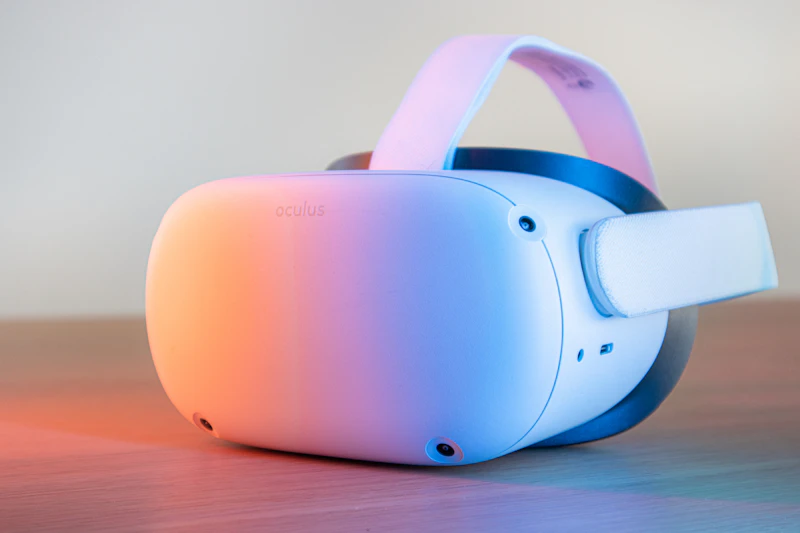
Apple deliberately avoided calling Vision Pro a VR or AR headset, instead using "spatial computer." It sees your room through cameras and displays digital content overlaid on the passthrough view. Windows float in your space. Apps appear at fixed locations in your room. You interact with your eyes and hands.
The experience is genuinely different from traditional VR. In VR, you enter a virtual world. With Vision Pro, your world gains a digital layer. You see your couch, your walls, your pets — with browser windows, movies, and apps floating among them. The Vision Pro starts at $3,500, limiting adoption but establishing the category.
Beyond Headsets
Spatial computing does not require a headset. Spatial audio in AirPods Pro creates the illusion of sound coming from fixed positions in space. LiDAR in iPhones and iPads scans room geometry for AR applications. Spatial video captured on iPhone plays back as 3D content on Vision Pro.
Game consoles use spatial computing concepts — PlayStation VR2 and Meta Quest 3 both understand room boundaries, floor levels, and hand positions. Even smart home devices with radar-based presence detection are performing spatial computing — understanding who is in a room and where they are.
Practical Applications Today
Interior design apps use spatial computing to place virtual furniture in your real room before buying. IKEA Place and similar apps let you see exactly how a bookshelf would look in your space, at accurate scale.
Education benefits from spatial computing — medical students can examine 3D anatomical models that float in front of them. Architecture students can walk through buildings before they are built. History students can explore 3D reconstructions of ancient sites.
Challenges
Headset-based spatial computing faces the same barriers as VR — comfort, weight, social isolation, and the fundamental awkwardness of wearing a computer on your face. Vision Pro is impressive technology but weighs enough to cause discomfort after an hour.
Glasses-form-factor spatial computing (lightweight AR glasses with spatial understanding) remains the holy grail. When the technology miniaturizes enough to fit in normal-looking glasses, spatial computing could become as natural as smartphones. That transition is years away but actively being pursued by Apple, Meta, Google, and others.
What to Watch
Pay attention to spatial video. The ability to capture and relive memories in three dimensions is emotionally compelling in a way that flat video cannot match. As more phones gain spatial video capture and more displays support playback, this may be the application that drives mainstream spatial computing adoption.
As an Amazon Associate, BestElectronicsReviewed earns from qualifying purchases.
Recommended Products
Top picks from our buying guides
Related Articles
Self-Healing Electronics: Materials That Repair Themselves
Imagine a phone screen that heals its own scratches or a cable that reforms after being cut. Self-healing materials are moving from lab curiosity to practical applications.
GuidesCaptioned Video Devices and Services: Never Miss a Word
From live TV captioning to real-time caption glasses, we cover every way to add captions to your video watching and video calling experience.
GuidesSmart Fabrics and Wearable Tech: Clothing That Does More
Smart textiles embed sensors, heating elements, and connectivity into clothing. From heated jackets to biometric shirts, wearable tech is moving beyond the wrist.