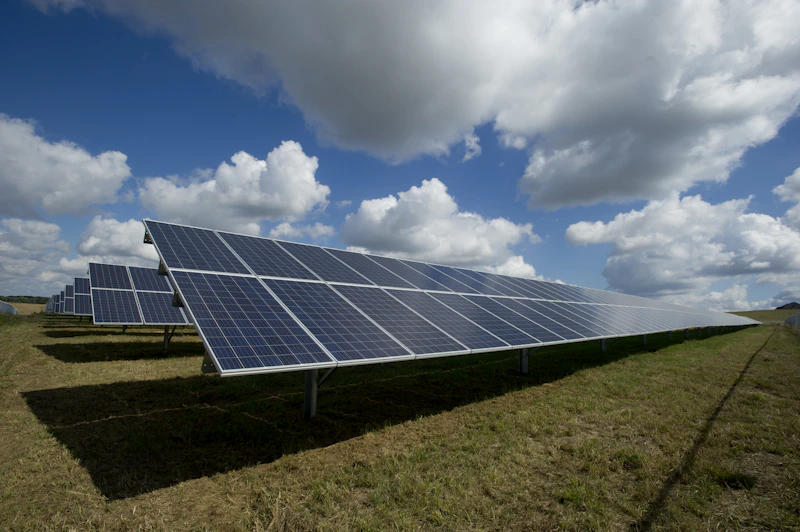
Solar Generators for Emergency Backup and Outdoor Use
Solar generators combine portable power stations with solar panels for silent, fuel-free backup power. Here is how to size one for your needs.
BestElectronicsReviewed.com is a participant in the Amazon Services LLC Associates Program. We may earn a commission from qualifying purchases made through links on this page, at no extra cost to you.
A solar generator is a portable power station paired with one or more solar panels. Unlike gas generators, solar generators produce zero emissions, make no noise, require no fuel, and can operate indoors. They are ideal for emergency backup during power outages, outdoor events, camping, and remote work sites.
How Solar Generators Work
A solar generator consists of two components: a portable power station (a large lithium battery with an inverter and various output ports) and solar panels that charge the battery using sunlight.
The power station stores energy in its battery and converts it to usable electricity — AC outlets for household devices, USB ports for phones and tablets, and 12V ports for car-type accessories. Solar panels provide a renewable charging source, but the power station also charges from wall outlets and car cigarette lighters.
Sizing Your Solar Generator
Calculate your power needs by listing the devices you want to run and their wattage:
Essential backup (300-500Wh): Phone charging, LED lights, fan, laptop. Enough for 1-2 days of basic power during outages.
Extended backup (1000-2000Wh): Add a small refrigerator, CPAP machine, and more device charging. Powers essentials for 2-5 days depending on usage.
Full home backup (2000-5000Wh): Run a refrigerator, multiple devices, lights, and small appliances for several days. The EcoFlow Delta 2 Max at 2048Wh is a strong option for this tier.
Best Solar Generator Combos
Best portable: Jackery Explorer 1000 Plus + SolarSaga 100W panels. The Explorer 1000 Plus provides 1264Wh of LiFePO4 battery capacity, and the bundled solar panels recharge it in about 5 hours of direct sunlight. Portable enough for camping yet powerful enough for basic emergency backup.
Best for home backup: EcoFlow Delta 2 Max + 2x 220W panels. The 2048Wh capacity runs a refrigerator for 24+ hours, and the expandable battery system allows adding extra battery packs for extended outages.
Best budget: Anker SOLIX C1000 + 100W panel. Provides 1056Wh in a compact, affordable package with LiFePO4 battery chemistry for longevity.
Solar Panel Sizing
A 100W solar panel produces roughly 70-80W in real conditions (accounting for angle, clouds, and panel temperature). In a full day of direct sun (5-6 peak sun hours), a 100W panel generates approximately 350-480Wh of energy.
For a 1000Wh power station, a 200W panel setup (two 100W panels) recharges from empty in about 5-6 hours of sun. For a 2000Wh station, 400W of panels provides a full recharge in the same timeframe.
LiFePO4 vs Lithium-Ion
Newer solar generators use LiFePO4 (lithium iron phosphate) batteries instead of standard lithium-ion. LiFePO4 advantages include 3000+ charge cycles (vs 500-800 for lithium-ion), better performance in heat and cold, greater chemical stability (safer), and 10-year warranty from most manufacturers.
The slight weight penalty of LiFePO4 is worthwhile for the dramatically longer lifespan.
Limitations
Solar generators have real limitations compared to gas generators. They cannot run heavy loads like central air conditioning, electric furnaces, or well pumps. Recharging is slow without sun. And the upfront cost is higher per watt than gas generators.
For sustained heavy loads during multi-day outages, a gas generator remains more practical. For essential backup, outdoor use, and situations where quiet, clean operation matters, solar generators are the better choice.
As an Amazon Associate, BestElectronicsReviewed earns from qualifying purchases.
Recommended Products
Top picks from our buying guides
Segway Ninebot KickScooter P65
#1 in Best Electric Scooters for Commuting 2026
Check PriceBigBlue 28W Solar Charger
#1 in Best Solar Panel Chargers for Backpacking 2026
Check PriceRelated Articles
Best Kitchen Tech for Meal Prep
Meal prep is easier with the right gadgets. From food scales to vacuum sealers, these kitchen electronics save hours every week.
Buyer GuidesWhole House Water Filtration: Smart Filters and Monitoring Systems
From under-sink filters to whole-house systems, smart water filtration monitors filter life, detects contaminants, and ensures clean water from every tap.
Buyer GuidesBest Homework and Study Apps for Middle and High School Students
From math solvers to flashcard apps to essay helpers, these study tools help older students work smarter without doing the work for them.