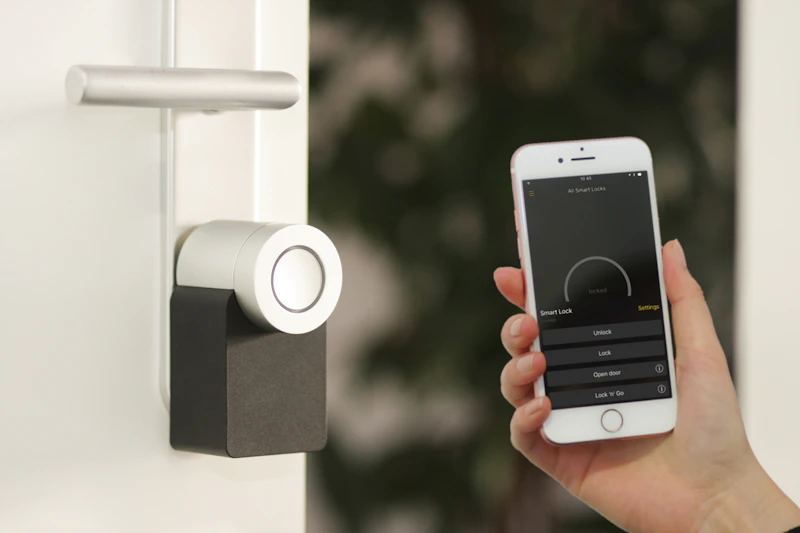
12 Smart Home Products That Work Without WiFi
WiFi goes down. Internet outages happen. These 12 smart home products keep working when your network doesn't, using Bluetooth, Thread, or local processing.
BestElectronicsReviewed.com is a participant in the Amazon Services LLC Associates Program. We may earn a commission from qualifying purchases made through links on this page, at no extra cost to you.
The dirty secret of smart homes is that most "smart" devices become dumb the moment your WiFi drops. But a well-designed smart home should be resilient. These 12 products continue working during network outages because they use local protocols, on-device processing, or mesh networking.
Bluetooth-Based (Phone to Device, No WiFi Needed)
1. Wyze Lock Bolt
The Wyze Lock Bolt ($43) operates via Bluetooth and fingerprint. No WiFi module at all. Your phone connects directly to the lock when you're in range, and the fingerprint reader works independently of any network. If your WiFi and internet both die, you still unlock your door instantly.
2. SwitchBot Blind Tilt
The SwitchBot Blind Tilt ($50) controls existing mini blinds via Bluetooth. Scheduled tilts execute on the device's internal clock — no WiFi required. The SwitchBot Hub adds WiFi and voice control, but the core functionality runs entirely locally.
3. Tile Mate Tracker
The Tile Mate ($25) uses Bluetooth to ring from your phone when you're in range. The network-based finding feature requires internet, but the core "ring my keys" function works anywhere, anytime.
Thread/Zigbee-Based (Mesh Network, No Internet Needed)
4. Nanoleaf Essentials Bulbs
Nanoleaf Essentials A19 Bulbs ($15 each) run on Thread protocol. Thread is a local mesh network — devices communicate directly with your Thread border router (HomePod Mini, Apple TV) without hitting the internet. If your ISP goes down but your power stays on, your Thread devices continue working through local commands.
5. Eve Door and Window Sensor
The Eve Door and Window Sensor ($35) is a Thread device that communicates locally with your home hub. Automations triggered by this sensor (like turning on lights when a door opens) execute locally without internet.
6. IKEA DIRIGERA Hub + Devices
IKEA's DIRIGERA hub runs Zigbee devices locally. The IKEA TRADFRI LED Bulbs controlled through the DIRIGERA hub continue responding to physical buttons and scheduled automations during internet outages. The hub processes everything locally.
Read our offline-capable smart home guide →
Local Processing (Works Without Cloud)
7. Philips Hue Bridge + Bulbs
The Philips Hue Bridge processes all device commands locally. Your Hue bulbs, switches, and sensors communicate with the Bridge via Zigbee, and the Bridge executes automations on-device. If your internet dies, the Hue app on your phone (connected to the same local network) still controls everything. Only voice assistant integration requires internet.
8. Lutron Caseta Smart Switches
The Lutron Caseta Smart Switch Starter Kit ($80) uses Lutron's proprietary Clear Connect RF protocol with a local bridge. Switches, dimmers, and Pico remotes work instantly and locally. Lutron is the most reliable smart lighting system specifically because it doesn't depend on WiFi.
9. Ecobee Smart Thermostat
The ecobee Smart Thermostat Premium ($220) maintains its programmed schedule locally. If your internet drops, the thermostat continues following its heating and cooling schedule. You lose remote control and weather-based adjustments, but core climate control continues uninterrupted.
10. Home Assistant (Local Hub)
Home Assistant running on a Home Assistant Green ($99) or Raspberry Pi processes ALL automations locally. No cloud dependency whatsoever. Zigbee, Z-Wave, Thread, and Bluetooth devices all communicate locally. This is the gold standard for resilient smart home setups.
Battery Backup Smart Devices
11. Ring Alarm with Battery Backup
The Ring Alarm Pro base station has a built-in battery that keeps the alarm system running during power outages. Combined with LTE cellular backup, it continues monitoring and alerting even when both power and internet are down.
12. SimpliSafe Home Security
The SimpliSafe Home Security System has a 24-hour battery backup in the base station and cellular backup for monitoring. Sensors communicate via RF directly to the base station — no WiFi involved. The system is designed from the ground up for outage resilience.
Building a Resilient Smart Home
The key to an outage-proof smart home:
- Choose local-first platforms — Philips Hue, Lutron, Home Assistant process locally
- Use Thread/Zigbee devices — mesh networks don't need internet
- Add a UPS to your hub — a small UPS keeps your smart home hub and router running during brief power outages
- Keep manual overrides — every smart switch should have a physical button; every smart lock should have a keyhole
- Test regularly — unplug your router and verify your critical automations still work
Read our resilient smart home setup guide →
As an Amazon Associate, BestElectronicsReviewed earns from qualifying purchases.
Recommended Products
Top picks from our buying guides
Related Articles
Guide: 10 Tech Accessories Under $25 Everyone Needs (Right Now)
Guide: 10 Tech Accessories Under $25 Everyone Needs (Right Now) — expert analysis and tested recommendations from BestElectronicsReviewed.
Listicle10 Electronics You Should Replace Every 3 Years
Some electronics age gracefully. Others degrade in ways you don't notice until you replace them. Here are 10 products with a 3-year practical lifespan.
Listicle12 Products That Make Small Apartments Feel Bigger
Living small doesn't mean living poorly. These 12 tech products maximize space, reduce clutter, and make studio and one-bedroom apartments feel more livable.