Satellite Messaging on Phones: How It Works and When to Use It
Your phone can now send messages via satellite when cell towers are out of reach. Here's how the technology works, which phones support it, and when it could save your life.
BestElectronicsReviewed.com is a participant in the Amazon Services LLC Associates Program. We may earn a commission from qualifying purchases made through links on this page, at no extra cost to you.
For the first time in smartphone history, losing cellular service does not mean losing all communication. Satellite messaging — the ability to send and receive texts directly through orbiting satellites when cell towers are unavailable — has arrived on mainstream consumer phones. Here is everything you need to know about how it works, which phones support it, and when this feature transitions from novelty to necessity.
How Satellite Messaging Works
Traditional cell service relies on ground-based towers. Your phone communicates with the nearest tower, which connects to the broader network. Move too far from any tower — into remote wilderness, on open water, or in a natural disaster zone where towers are damaged — and your phone becomes an expensive paperweight.
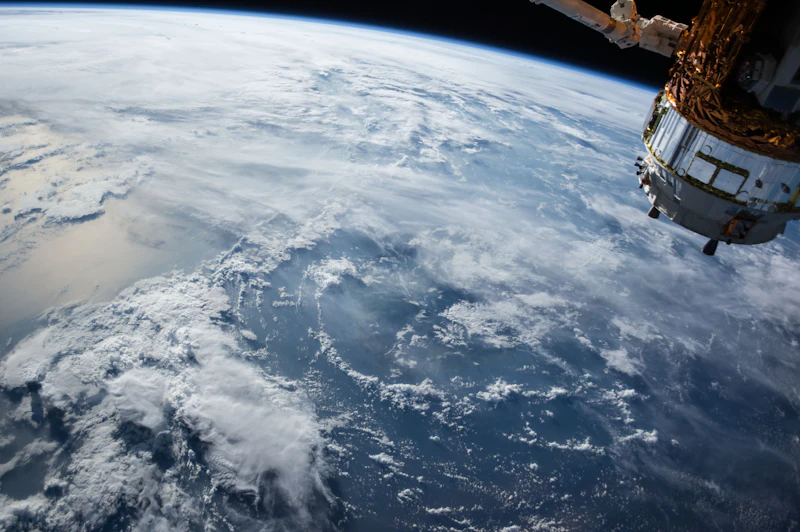
Satellite messaging bypasses towers entirely. Your phone communicates directly with satellites orbiting roughly 300-600 miles above Earth. These are low-Earth orbit (LEO) satellites that move across the sky, so your phone needs a clear view of the sky and sometimes requires you to point it in a specific direction to establish a connection.
The bandwidth is limited. Satellite connections on phones transmit data at a fraction of the speed of cellular connections. This means satellite messaging is text-only — you cannot make voice calls, send photos, browse the web, or stream anything. Messages are compressed and typically limited to a few hundred characters.
Which Phones Support It
Apple iPhone 14 and Later
Apple pioneered consumer satellite messaging with Emergency SOS via Satellite on the iPhone 14 in 2022. The service has expanded since then:
- Emergency SOS via Satellite: Send your location and a structured emergency questionnaire to emergency services. Available in the US, Canada, UK, France, Germany, and other countries.
- Roadside Assistance via Satellite: Contact AAA or equivalent roadside services without cell coverage.
- Messages via Satellite (iOS 18+): Send and receive iMessages and SMS texts via satellite on iPhone 14 and later. Messages may take 30-60 seconds to send depending on satellite visibility.
Apple includes satellite messaging free for the first two years with each new iPhone. Pricing beyond that has not been finalized.
Google Pixel 9 and Later
Google partnered with satellite providers to bring satellite SOS to the Pixel 9 series. The implementation focuses on emergency communication and location sharing. Full messaging capabilities are more limited than Apple's current offering.
Samsung Galaxy S25 and Later
Samsung added satellite communication support to the Galaxy S25 series through Qualcomm's Snapdragon Satellite platform. Emergency SOS and basic messaging are supported, with Samsung integrating the feature into its native Messages app.
When to Use Satellite Messaging
Genuine Emergencies in Remote Areas
This is the primary use case and the reason the technology exists. Hikers, campers, backcountry skiers, and anyone venturing beyond cell coverage now have a lifeline that does not require carrying a separate satellite communicator. If you are injured on a remote trail, satellite messaging lets you contact emergency services with your exact GPS coordinates.
For serious outdoor adventures, pair satellite messaging with a personal locator beacon as a dedicated backup. PLBs are single-purpose devices with batteries that last years and work independently of your phone.
Natural Disasters
When hurricanes, earthquakes, or floods knock out cell towers, satellite messaging provides communication when the ground infrastructure fails. During Hurricane Helene in 2024, Apple reported that multiple iPhone users sent emergency SOS messages via satellite when cellular networks in affected areas were completely down.
International Travel in Remote Regions
Traveling in areas with sparse cell coverage — rural Iceland, the Australian outback, remote Pacific islands, African wildlife reserves — satellite messaging provides a communication safety net without requiring a separate satellite phone or communicator.
Road Trips Through Dead Zones
Long stretches of highway in the western United States, northern Canada, and rural Australia have zero cell coverage for hours. A flat tire, overheating engine, or medical emergency in these dead zones historically meant waiting for a passing motorist. Satellite messaging changes that equation.
Limitations You Should Know
Speed is slow. Sending a satellite message takes 15-60 seconds under good conditions. Each message must be brief — this is not a replacement for texting.
You need open sky. Satellite connections require a clear line of sight to the sky. Dense forest canopy, deep canyons, buildings, and heavy cloud cover can block or weaken the signal. Step into a clearing for the best results.
Battery impact. Searching for and communicating with satellites uses more power than standard cellular communication. If you are in an emergency situation, conserve battery by sending your message, then turning off satellite search until you need to send again.
Availability varies by country. Satellite messaging services are rolling out country by country. Check your phone manufacturer's support page for current coverage in your destination before relying on it.
How to Practice
Both Apple and Google recommend practicing satellite messaging before you actually need it. On iPhone, go to Settings > Emergency SOS > Try Demo to walk through the satellite connection process using a simulated message. This teaches you how to hold the phone, find satellites, and send a message so the process is familiar if a real emergency occurs.
The Bigger Picture
Satellite messaging on consumer phones is the beginning of a broader shift. T-Mobile and SpaceX are partnering to provide satellite-based cellular coverage — not just emergency messaging but full voice and data — using SpaceX's Starlink satellites. Early beta testing began in 2024 with text messaging, and voice and data services are planned for 2025-2026.
Within the next few years, the concept of "no service" on your phone may become obsolete. Every point on Earth will have some form of connectivity. That is a fundamental change in how humans relate to communication technology — and it started with the simple ability to send a text message through a satellite from a phone that fits in your pocket.
A reliable portable charger is essential gear for any situation where you might need satellite messaging. The feature is useless if your battery is dead.
As an Amazon Associate, BestElectronicsReviewed earns from qualifying purchases.
Recommended Products
Top picks from our buying guides
Ubiquiti UniFi Switch Lite 16 PoE
#1 in Best Network Switches with VLANs 2026
Check PriceRelated Articles
Why Everyone Is Switching to Open-Ear Earbuds in 2026 (This Week)
Why Everyone Is Switching to Open-Ear Earbuds in 2026 (This Week) — expert analysis and tested recommendations from BestElectronicsReviewed.
TrendingThe Most Overhyped Products of 2026 (Skip These)
Viral marketing and influencer promotions don't equal quality. These are the products getting the most buzz in 2026 that we think you should skip.
TrendingThe Under-$30 Upgrades Our Readers Swear By
We asked our readers for their best tech purchases under $30. Over 2,000 responses later, these are the clear winners.