Portable Power Stations Explode in Popularity: Camping to Emergency Prep
Portable power station sales tripled in two years. Here's why everyone from campers to hurricane preppers is buying one, and which models deliver real value.
BestElectronicsReviewed.com is a participant in the Amazon Services LLC Associates Program. We may earn a commission from qualifying purchases made through links on this page, at no extra cost to you.
Portable power station sales have tripled since 2023, growing from a niche camping gadget to a mainstream emergency preparedness device. Climate events (more frequent power outages), remote work (need for reliable power away from home), and solar integration (off-grid independence) are driving adoption across demographics that would never have considered a portable generator.
Why Power Stations Over Generators
The Old Way: Gas Generators
Traditional portable generators burn gasoline, produce 65-85 dB of noise (as loud as a vacuum cleaner), emit carbon monoxide (200+ deaths per year in the US from indoor generator use), require regular maintenance, and can't be used indoors.
The New Way: Portable Power Stations
Lithium battery power stations produce zero emissions, operate silently (0-40 dB), can be safely used indoors, require zero maintenance, and recharge from wall outlets, car chargers, or solar panels.
The tradeoff: gas generators can run indefinitely with fuel refills, while power stations have a fixed capacity. But for most outages (4-48 hours) and outdoor activities, a power station's capacity is sufficient.
Choosing the Right Size
Small (200-500Wh) — Camping and Day Trips
Powers: Phones, laptops, cameras, LED lights, small fans, CPAP machines
The Jackery Explorer 300 Plus ($259) delivers 288Wh in a 7.7-pound package. It charges a laptop twice, a phone 15+ times, and runs a CPAP machine for a full night. Perfect for car camping, tailgating, and day-long outdoor events.
Medium (500-1,000Wh) — Weekend Trips and Backup Power
Powers: Everything above plus mini fridges, electric blankets, portable TVs, blenders
The EcoFlow RIVER 2 Max ($399) packs 512Wh with a 500W output (1,000W surge). It recharges from 0-80% in 40 minutes via wall outlet — the fastest in its class. Ideal for weekend camping or keeping essentials running during a power outage.
Large (1,000-2,000Wh) — Extended Outages and Off-Grid
Powers: Everything above plus full-size refrigerators (briefly), window AC units, power tools
The EcoFlow DELTA 2 ($799) delivers 1,024Wh with 1,800W output. It can power a full-size refrigerator for 8-12 hours during an outage, keeping food safe. Expandable to 3,040Wh with add-on batteries.
Extra Large (2,000Wh+) — Whole-Home Backup
Powers: Most household circuits (not HVAC or electric stoves)
The EcoFlow DELTA Pro ($2,299) delivers 3,600Wh with 3,600W output. It can integrate with your home's electrical panel for automatic backup during outages, functioning like a mini Tesla Powerwall at a fraction of the cost.
Solar Charging: The Game Changer
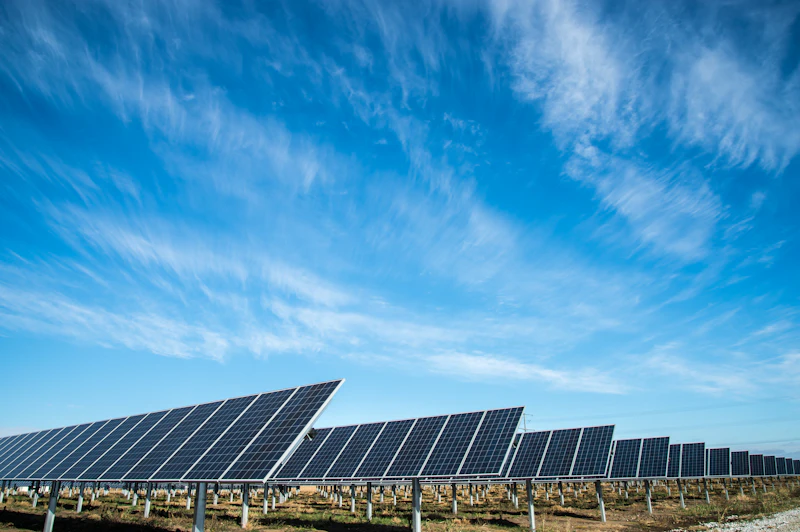
Most power stations accept solar panel input, enabling off-grid renewable charging. A 100-200W solar panel can fully charge a medium power station in 4-8 hours of direct sunlight.
This is transformative for:
- Emergency preparedness: Solar recharging means infinite runtime during extended outages
- Off-grid camping: Leave the campsite with a full battery every morning
- Vanlife: Solar + power station replaces noisy, smelly generators
Use Case Profiles
Emergency Preparedness
The minimum recommended setup for hurricane/storm preparedness: a 500-1,000Wh power station with a 100W solar panel. This keeps phones charged, runs a CPAP, powers LED lights, and maintains a mini fridge for medications.
Cost: $400-700 for a complete kit. Compare to the cost of a hotel room during an extended outage ($150/night) and spoiled refrigerator contents ($200-500).
Remote Work
Working from a cabin, RV, or campsite requires reliable power for a laptop, phone, and hotspot. A 300-500Wh station handles 6-8 hours of work easily.
Camping
Replace noisy generators and heavy battery packs with a single power station. Power your phone, portable speaker, camp light, electric cooler, and drone charger from one device.
Tailgating and Outdoor Events
Power a TV, blender, phone charging station, and string lights for a full day of tailgating from a 500-1,000Wh station.
What to Look For
- Capacity (Wh): Match to your needs (see sizing guide above)
- Output wattage (W): Must exceed your highest-draw device. A 500W station can't run a 1,500W hair dryer.
- Recharge time: Faster is better. EcoFlow leads here with 80% in 40-60 minutes.
- Weight: Matters for camping and portability. Small stations weigh 7-15 lbs; large stations weigh 30-50 lbs.
- Solar input: Higher solar input wattage means faster solar charging.
- LiFePO4 battery: Newer stations use LiFePO4 chemistry with 3,000+ charge cycles (vs ~500 for older lithium-ion). Worth the premium for long-term value.
Read our full power station guide →
As an Amazon Associate, BestElectronicsReviewed earns from qualifying purchases. All products are independently selected by our editorial team.
Recommended Products
Top picks from our buying guides
Related Articles
USB4 and What It Means for External GPUs
USB4 promises bandwidth that could make external GPUs viable for gaming laptops. Here is the current state of eGPU technology and where it is heading.
NewsWalkie-Talkies in 2026: Still Useful or Completely Obsolete?
In an era of unlimited cell plans, who needs walkie-talkies? Surprisingly, a lot of people. Here's when they still beat your phone.
NewsRight to Repair in 2026: Which Brands Support Self-Repair?
Right to repair legislation is expanding, and some brands are embracing it. Here's which companies let you fix your own devices and which still fight it.