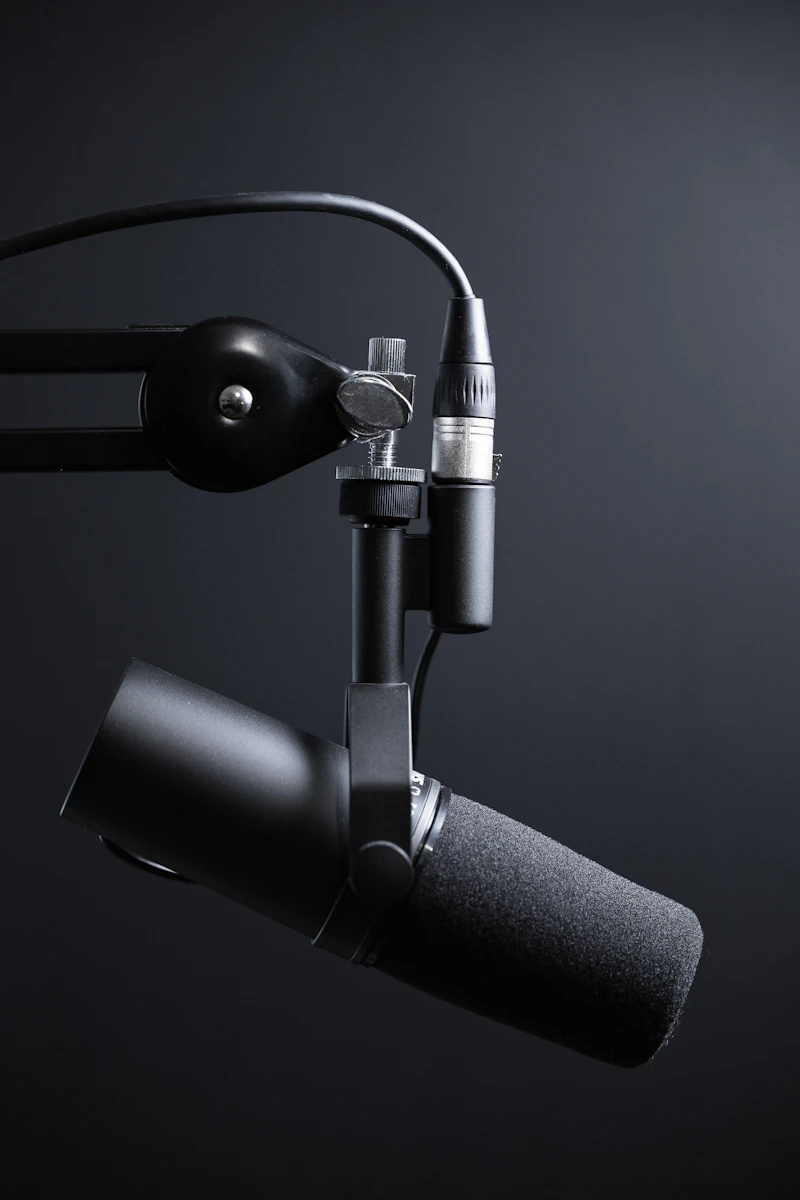
Podcast Microphone Shootout: USB vs XLR at Every Price
We tested 15 podcast microphones from $30 to $400 in a treated room and a noisy apartment. Here are the results and our recommendations for every budget.
BestElectronicsReviewed.com is a participant in the Amazon Services LLC Associates Program. We may earn a commission from qualifying purchases made through links on this page, at no extra cost to you.
Microphone choice can make or break a podcast. Listeners forgive average video quality but abandon podcasts with bad audio instantly. We tested microphones across price tiers in both a treated recording space and a typical apartment with traffic noise, AC hum, and neighbor sounds.
USB vs XLR: The Decision
USB microphones plug directly into your computer — no additional equipment needed. XLR microphones require an audio interface (a separate device that connects between the mic and your computer). USB is simpler and cheaper to start. XLR offers better quality, more flexibility, and room to grow.
For solo podcasters and beginners, USB is the right choice. For anyone planning to grow, record multiple hosts, or produce professional content, invest in XLR from the start.
Best USB Microphones
The Blue Yeti remains the most popular podcast microphone for good reason. It sounds good, offers multiple polar patterns (cardioid for solo, omnidirectional for groups), and includes a headphone jack for zero-latency monitoring. At around $100, it is the default recommendation for new podcasters.
The Samson Q2U is our budget pick at $70. It includes both USB and XLR outputs — start with USB now and switch to XLR later without buying a new mic. Sound quality is excellent for the price, with a warm tone that flatters most voices.
The Elgato Wave:3 ($150) adds digital clipping protection that prevents distortion when you get loud unexpectedly. Its companion software provides mixing, EQ, and routing. For solo creators who also stream, it is the most versatile USB microphone.
Best XLR Microphones
The Shure SM7B ($400) is the industry-standard podcast microphone. It sounds rich, warm, and professional. Its tight cardioid pattern rejects room noise exceptionally well, making it the best choice for untreated rooms. The downside is that it requires a powerful audio interface — budget an additional $100-200 for a Focusrite Scarlett or similar.
The Rode PodMic ($100 XLR) delivers 80% of the SM7B's sound quality at 25% of the price. It has a built-in pop filter, excellent off-axis rejection, and a broadcast-ready tone. Paired with a budget audio interface, total cost is around $200 — still less than an SM7B alone.
The Audio-Technica AT2020 ($100 XLR) is a condenser microphone with more detail and sensitivity than dynamic mics like the PodMic and SM7B. It sounds great in treated rooms but picks up more background noise in untreated spaces.
Room Treatment Matters More
A $100 microphone in a treated room sounds better than a $400 microphone in a bare room. Acoustic treatment does not require expensive studio panels — hang moving blankets on walls, fill bookshelves, and add soft furnishings to absorb reflections. A closet full of clothes is an excellent recording booth.
Our Recommendation
Start with the Samson Q2U ($70) — USB now, XLR later. When you are ready to upgrade, buy a Rode PodMic ($100) and a Focusrite Scarlett Solo ($110). Treat your room with blankets or foam panels. This path gets you professional podcast audio for under $300 total.
As an Amazon Associate, BestElectronicsReviewed earns from qualifying purchases.
Recommended Products
Top picks from our buying guides
Related Articles
Essential: Sony WH-1000XM5 Review: 6 Months Later (2026)
Essential: Sony WH-1000XM5 Review: 6 Months Later (2026) — expert analysis and tested recommendations from BestElectronicsReviewed.
ReviewsElectric Lawn Mowers in 2026: Battery Power Finally Rivals Gas
Battery electric lawn mowers have reached a tipping point — comparable power, quieter operation, zero emissions, and lower maintenance than gas. Here are the best options.
ReviewsBest Baby Monitors in 2026: Video, Audio, and Smart Sensor Options
From simple audio monitors to smart sensors that track breathing, here are the best baby monitors for every parenting style and budget.