Matter Smart Home Standard: One Year Later
Matter promised to unify smart home devices. Two years after launch, here's what works, what doesn't, and whether you should care.
BestElectronicsReviewed.com is a participant in the Amazon Services LLC Associates Program. We may earn a commission from qualifying purchases made through links on this page, at no extra cost to you.
Matter — the smart home interoperability standard backed by Apple, Google, Amazon, and Samsung — launched in late 2022 with enormous expectations. It promised that any Matter-certified device would work with any Matter-compatible platform. Two-plus years later, the reality is more nuanced.
The Promise vs. The Reality
What Matter Was Supposed to Do
Before Matter, smart home devices were locked into ecosystems. A HomeKit device didn't work with Alexa. A Google Home device didn't work with SmartThings. Choosing a platform meant limiting your device options.
Matter was supposed to eliminate this. Buy any Matter device, connect it to any platform, and it just works. One setup process, universal compatibility, local control (no cloud dependency), and cross-platform interoperability.
What Matter Actually Does (in 2026)
The good: Basic device categories work well across platforms. Matter-certified lights, plugs, switches, and sensors are reliably cross-platform. You can set up a Matter smart plug with Apple Home and control it from Google Home, Alexa, and SmartThings simultaneously.
The mediocre: More complex devices (cameras, robot vacuums, thermostats) are still catching up. Matter's device type specifications for these categories were released later, and manufacturer adoption is uneven.
The frustrating: The setup process, while improved, still has rough edges. Adding a Matter device sometimes requires scanning a code, waiting for firmware updates, and troubleshooting connectivity. It's better than pre-Matter setup, but it's not the "it just works" experience that was promised.
What Works Well
Lights and Switches
This is Matter's strongest category. Brands like Nanoleaf, Eve, and TP-Link Kasa have robust Matter support. A TP-Link Kasa Smart Plug (Matter) ($13) works flawlessly across Apple Home, Google Home, Alexa, and SmartThings.
Sensors
Door/window sensors, motion sensors, and temperature sensors work well over Matter. They're simple devices with simple data, which is exactly what Matter handles best.
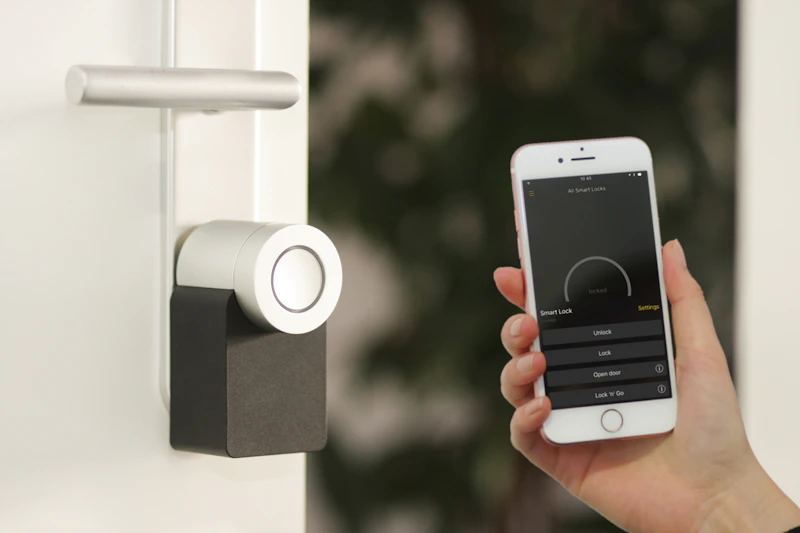
Smart Locks
Several lock manufacturers have released Matter-compatible firmware updates. The cross-platform control means you can manage your lock from whichever voice assistant you prefer.
What Doesn't Work (Yet)
Cameras
Matter's camera specification is still maturing. Most smart cameras still require the manufacturer's app for full functionality (recording, AI detection, cloud storage). Matter provides basic on/off control and live view, but advanced features remain platform-specific.
Robot Vacuums
Similar to cameras — Matter support exists in some models but provides limited control. Full functionality (room mapping, cleaning schedules, zone cleaning) still requires the manufacturer's app.
Advanced Automations
Cross-platform automations (e.g., "when the Google Home sensor detects motion, turn on the HomeKit light") are limited. Each platform handles Matter device control independently, and creating automations that span platforms requires workarounds.
Should You Buy Matter Devices?
Yes: If You're Starting Fresh
If you're building a smart home from scratch, buying Matter-certified devices is the safest long-term bet. Even if you start with Google Home, you can switch to Apple Home or Alexa later without replacing your devices.
Yes: If You Want Multi-Platform Control
Matter lets different household members use different platforms. Your partner can use Siri while you use Alexa to control the same devices. This is genuinely useful in mixed-ecosystem households.
It Depends: If You're Already Invested
If you have 30 devices in a working Alexa ecosystem, there's no urgent reason to switch to Matter. Your current setup works. Add Matter devices going forward when replacing old hardware or expanding your system.
The Thread Advantage
Many Matter devices use Thread, a low-power mesh networking protocol. Thread devices communicate with each other directly (without a Wi-Fi router), creating a mesh network that improves reliability and range.
Apple HomePod Mini, Apple TV 4K, and some Google Nest devices serve as Thread border routers. If you have one of these, Thread Matter devices in your home create a self-healing mesh that stays connected even if your Wi-Fi drops.
The Eve Energy Smart Plug ($39) is a Thread-enabled Matter device that's fast, responsive, and doesn't depend on Wi-Fi — a preview of where the smart home is heading.
The Future of Matter
The Connectivity Standards Alliance (Matter's governing body) is expanding the specification to cover more device categories in 2026-2027:
- Cameras (full support including streaming)
- Robot vacuums (full control)
- Major appliances
- Energy management devices
- Media devices
As these specifications mature and manufacturers adopt them, Matter's usefulness will expand significantly. The foundation is solid — it just needs time and adoption to reach its full potential.
Read our full smart home guide →
As an Amazon Associate, BestElectronicsReviewed earns from qualifying purchases. All products are independently selected by our editorial team.
Recommended Products
Top picks from our buying guides
Related Articles
USB4 and What It Means for External GPUs
USB4 promises bandwidth that could make external GPUs viable for gaming laptops. Here is the current state of eGPU technology and where it is heading.
NewsWalkie-Talkies in 2026: Still Useful or Completely Obsolete?
In an era of unlimited cell plans, who needs walkie-talkies? Surprisingly, a lot of people. Here's when they still beat your phone.
NewsRight to Repair in 2026: Which Brands Support Self-Repair?
Right to repair legislation is expanding, and some brands are embracing it. Here's which companies let you fix your own devices and which still fight it.