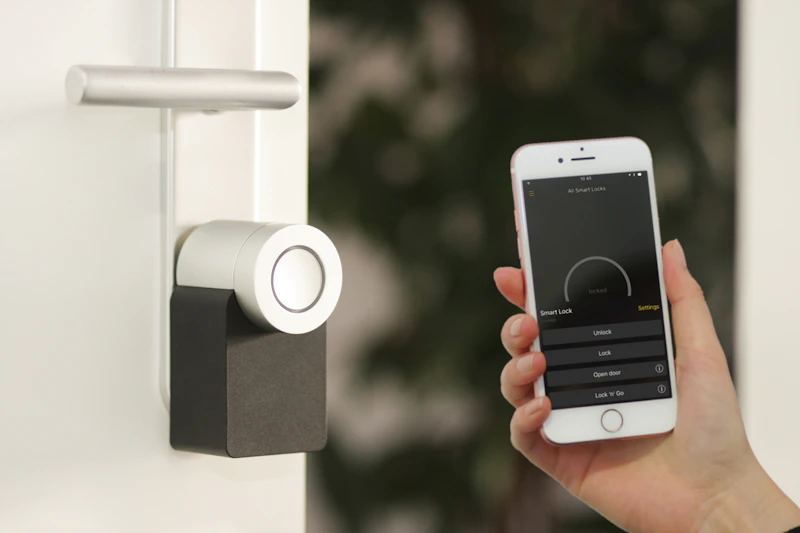
Matter Protocol Explained: The Smart Home Standard That Fixes Everything
Matter promises one standard for all smart home devices across all ecosystems. Here is what it means, how it works, and which devices support it today.
BestElectronicsReviewed.com is a participant in the Amazon Services LLC Associates Program. We may earn a commission from qualifying purchases made through links on this page, at no extra cost to you.
For years, buying a smart home device meant checking whether it worked with Alexa, Google Home, Apple HomeKit, or Samsung SmartThings — and hoping you picked the right one. Matter changes this. It is a unified protocol backed by Apple, Google, Amazon, and Samsung that lets any Matter-certified device work with any ecosystem.
What Matter Actually Is
Matter is an application-layer communication protocol for smart home devices. It runs over WiFi and Thread (a low-power mesh network protocol). When a device has the Matter logo, it works with every major platform — you can set it up with Alexa, control it with Google Home, automate it with HomeKit, and manage it with SmartThings, all simultaneously.
This means you never have to choose an ecosystem before buying a smart bulb. A Matter light bulb works with whatever platform you have or switch to later. No vendor lock-in. No compatibility checking.
Which Devices Support Matter
As of 2026, Matter support covers lights, plugs, switches, locks, thermostats, blinds, sensors, and some cameras. The Nanoleaf Essentials bulb is a popular Matter-certified smart bulb that works out of the box with every platform.
Eve, Nanoleaf, Philips Hue, TP-Link, Aqara, and Yale are among the manufacturers shipping Matter-certified products. Existing devices from some brands have received firmware updates adding Matter support — check with your device manufacturer.
Thread: The Network Behind Matter
Thread is a low-power mesh networking protocol that many Matter devices use instead of WiFi. Unlike WiFi, Thread devices form a mesh network — each device acts as a router, extending coverage and providing redundancy. If one device fails, traffic routes through other devices.
Thread border routers (included in Apple TV 4K, HomePod Mini, some Nest devices, and some Echo devices) bridge the Thread network to your home WiFi. You probably already have one if you own recent Apple or Google hardware.
Setting Up Matter Devices
Setup is standardized across platforms. Every Matter device has a QR code or numeric setup code. Open your preferred smart home app (Alexa, Google Home, Apple Home), scan the code, and the device joins your network. The process takes under a minute per device.
Multi-admin support lets you add the same device to multiple platforms simultaneously. Set up a Matter lock with Apple Home and also add it to Alexa — both control it independently. This is a genuinely new capability that was impossible before Matter.
Current Limitations
Matter is still maturing. Some device categories (robot vacuums, cameras, energy management) are not yet covered by the specification. Firmware updates for Matter support can be unreliable. Some advanced features available through a manufacturer's own app may not be accessible through Matter.
The experience also varies by platform. Apple HomeKit's Matter support is generally the smoothest. Google Home has had some pairing issues. Alexa sometimes lags in supporting the latest Matter features. These are growing pains that are improving with each platform update.
The Practical Takeaway
When buying new smart home devices, prefer Matter-certified products. They work with your current setup and will continue working if you switch ecosystems later. For existing non-Matter devices, they continue to work through their original platform — Matter supplements rather than replaces your current devices.
As an Amazon Associate, BestElectronicsReviewed earns from qualifying purchases.
Recommended Products
Top picks from our buying guides
Related Articles
Self-Healing Electronics: Materials That Repair Themselves
Imagine a phone screen that heals its own scratches or a cable that reforms after being cut. Self-healing materials are moving from lab curiosity to practical applications.
GuidesCaptioned Video Devices and Services: Never Miss a Word
From live TV captioning to real-time caption glasses, we cover every way to add captions to your video watching and video calling experience.
GuidesSmart Fabrics and Wearable Tech: Clothing That Does More
Smart textiles embed sensors, heating elements, and connectivity into clothing. From heated jackets to biometric shirts, wearable tech is moving beyond the wrist.