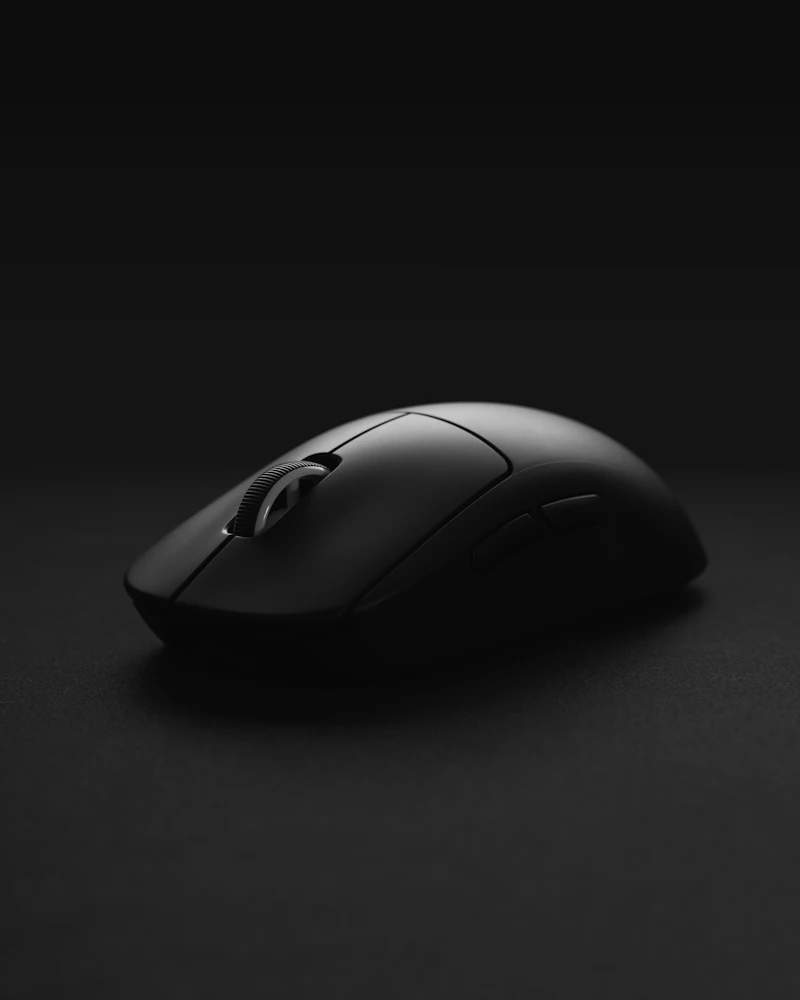
How SteelSeries Built a Gaming Peripheral Empire
From a humble mousepad startup to a global gaming brand. The story of how SteelSeries carved out its place in the competitive peripherals market.
BestElectronicsReviewed.com is a participant in the Amazon Services LLC Associates Program. We may earn a commission from qualifying purchases made through links on this page, at no extra cost to you.
In a market dominated by Razer's flashy marketing and Logitech's massive distribution network, SteelSeries has quietly built one of the most respected gaming peripheral brands in the world. Their journey from a Danish startup selling mousepads to a company whose headsets and mice are used by professional esports athletes is a masterclass in focused product development.
The Origin Story
SteelSeries started in 2001 under the name Soft Trading. The founders were competitive gamers themselves, frustrated with the quality of available gaming accessories. Their first product was a mousepad — the Icemat — made from a custom glass surface that offered consistent tracking and extreme durability. It was expensive, unusual, and immediately popular with serious gamers who understood that surface consistency matters for muscle memory.
This origin tells you everything about the company's DNA. They did not start with a lifestyle brand and bolt on gaming. They started with a genuine performance problem and engineered a solution. That engineering-first mentality has defined their product development ever since.
The Arctis Headset Revolution
SteelSeries' defining product line is the Arctis headset series. When the original Arctis was released, gaming headsets were overwhelmingly bulky, aggressive-looking, and uncomfortable for extended wear. SteelSeries took the opposite approach.
The Arctis line featured a ski-goggle suspension headband that distributed weight evenly, avoiding the hot spots and pressure points common with padded headbands. The design looked understated enough to wear outside without screaming "gamer." Sound quality prioritized balanced audio over bass-heavy tuning, and the retractable microphone was class-leading for its price.
The current SteelSeries Arctis Nova 7 continues this philosophy. Dual wireless connectivity (2.4GHz and Bluetooth simultaneously), 38-hour battery life, and a sound profile tuned in consultation with audio engineers rather than marketing focus groups. It is the headset our editorial team recommends most frequently for gamers who want excellent audio without RGB excess.
Mice and Keyboards: The Competitive Edge
While headsets are their bread and butter, SteelSeries makes genuinely competitive mice and keyboards. The Aerox series embraced the ultralight mouse trend early, and the Aerox 3 delivered sub-60-gram weight with a robust build quality that many ultralight competitors lacked.
Their keyboards have been more hit-or-miss historically, but the Apex Pro line introduced adjustable actuation switches — mechanical keys where you can set the exact actuation point per key. Set your WASD keys to hair-trigger 0.2mm actuation for instant response in games, then set your other keys to a deeper 2mm actuation for comfortable typing. No other manufacturer offered this level of customization at launch.
The SteelSeries Aerox 5 Wireless is their current mid-range mouse, offering a versatile shape, programmable side buttons, and a 180-hour battery life. It bridges the gap between ultralight esports mice and feature-rich productivity mice.
The GG Software Ecosystem
Where SteelSeries stumbles slightly is software. Their SteelSeries GG companion app handles device configuration, audio EQ, and RGB settings. It is functional but has historically been heavier on system resources than competitors like Logitech G Hub. The company has been iterating on performance, and recent versions are significantly lighter, but the app ecosystem remains an area where Logitech holds an edge.
On the positive side, SteelSeries Sonar — their audio engine built into GG — is genuinely excellent. It provides parametric EQ, virtual surround, and per-application audio routing that rivals dedicated audio software. For streamers who need to manage game audio, Discord, and music separately, Sonar is a compelling reason to choose SteelSeries.
Why They Matter in 2026
SteelSeries occupies a valuable niche in the gaming peripheral market: premium quality without premium gamer aesthetic. Their products consistently prioritize comfort and performance over flashy design. The SteelSeries Arctis Nova Pro is arguably the best gaming headset money can buy, with a hot-swappable battery system and hi-res certified audio.
In an industry where many brands compete on RGB intensity and aggressive angular designs, SteelSeries proves that substance over style is a winning long-term strategy. They may not have the marketing budget of Razer or the mainstream recognition of Logitech, but among the gamers who know peripherals best, SteelSeries commands deep respect.
As an Amazon Associate, BestElectronicsReviewed earns from qualifying purchases.
Recommended Products
Top picks from our buying guides
Related Articles
How GoPro Reinvented Itself Beyond Action Cameras
GoPro nearly went bankrupt in 2018. Now it's a thriving company with products far beyond action cameras. Here's how they pulled off one of tech's most impressive comebacks.
BrandUpdated: The Complete Guide to Anker Products: What's Worth Buying (Right Now)
Updated: The Complete Guide to Anker Products: What's Worth Buying (Right Now) — expert analysis and tested recommendations from BestElectronicsReviewed.
BrandSamsung Galaxy Ecosystem 2026: Phone Watch Buds Tablet
Samsung's Galaxy ecosystem rivals Apple's for seamless integration. Here is how the Galaxy phone, watch, buds, and tablet work together in 2026.