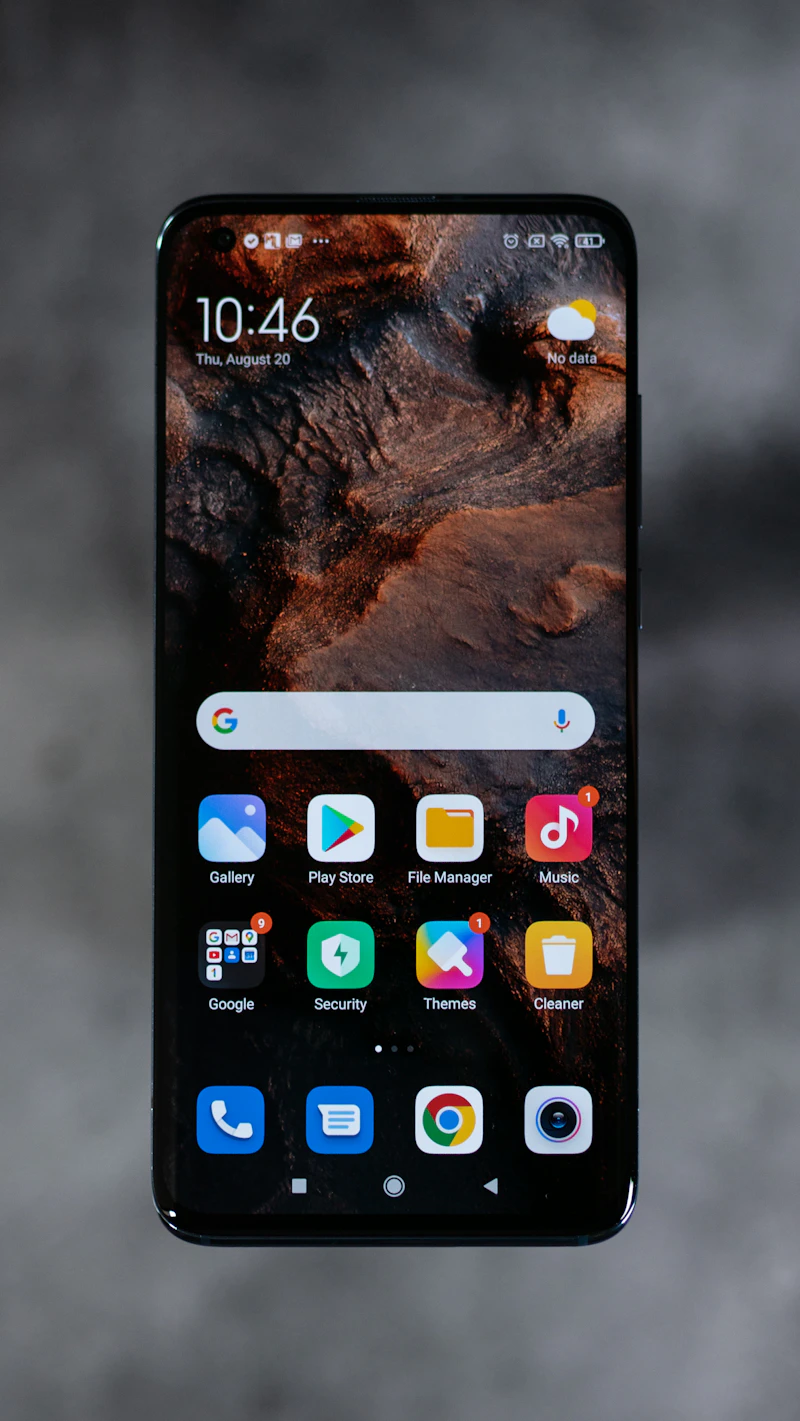
Google Pixel 9a Review: The Best Phone Under $500
Google's budget Pixel packs the same Tensor G4 chip and camera processing as the flagship Pixel 9 Pro. We tested it for a month to see where the compromises are.
BestElectronicsReviewed.com is a participant in the Amazon Services LLC Associates Program. We may earn a commission from qualifying purchases made through links on this page, at no extra cost to you.
The Pixel a-series has been Google's most compelling product line for years. The formula is simple: take the flagship Pixel's best features (camera processing, software, AI), put them in a more affordable package, and accept modest compromises in materials and display. The Pixel 9a continues this tradition at $499.
We used the Google Pixel 9a as our primary phone for one month.
Camera: Flagship Quality, Budget Price
The Pixel 9a's camera is its most compelling feature. The 48MP main sensor paired with Google's Tensor G4 processing produces photos that are virtually indistinguishable from the $1,000 Pixel 9 Pro in well-lit conditions. Google's computational photography — HDR+, Night Sight, Magic Eraser, and the new AI-powered editing tools — runs identically on the 9a because it uses the same chip.
Portrait mode produces natural-looking depth effects with accurate edge detection. Night Sight captures usable photos in near-darkness. Video stabilization smooths handheld footage to near-gimbal quality at 4K 30fps.
Where the 9a falls short: no telephoto lens. The flagship Pixel 9 Pro includes a 5x optical zoom. The 9a relies on digital crop, which loses detail beyond 2x. If telephoto photography matters to you, the price gap to the Pro is justified.
Display
The 6.3-inch OLED display produces vibrant colors, deep blacks, and a smooth 120Hz refresh rate. Peak brightness reaches 1,400 nits, handling direct sunlight without issue. The fingerprint reader is embedded under the display and works quickly and accurately.
For a $499 phone, this display competes with phones costing twice as much. The OLED advantage over LCD-equipped budget phones (like many Samsung A-series models) is immediately visible in side-by-side comparison.
Performance
The Tensor G4 chip handles everything we threw at it without stutter. App launches are instant, multitasking is smooth, and Gemini AI features (on-device summarization, circle-to-search, call screening) run natively. Gaming performance is adequate for casual titles but falls behind the Snapdragon 8 Gen 3 in benchmarks.
The 8GB of RAM is sufficient for current use but is less future-proof than the 12GB in the flagship Pixel 9 Pro. In three to four years, this may become a limiting factor.
Battery Life
The 5,000mAh battery consistently lasted a full day of moderate use (5-6 hours screen-on time) with 20-30% remaining at bedtime. Heavy use (gaming, GPS navigation, camera-heavy days) required a top-up by evening. The 18W wired charging is slower than competitors — 0 to 50% takes about 30 minutes. No wireless charging on the 9a.
The absence of wireless charging at $499 is disappointing. Samsung's Galaxy A-series at similar prices includes it. For desk workers with wireless charging pads, this is a genuine drawback.
Software: The Pixel Advantage
Seven years of guaranteed OS and security updates mean the Pixel 9a will receive Android updates through 2033. No other Android phone at this price offers comparable software longevity. Samsung promises four years. Most other manufacturers promise less.
The stock Android experience is clean, fast, and free of bloatware. Google's AI features (Gemini assistant, call screening, live translation) are deeply integrated and useful. The Pixel experience is the benchmark for what Android should feel like.
Build Quality
The plastic back is the most visible cost-saving measure. It feels less premium than the glass and aluminum Pixel 9 Pro but is lighter and arguably more durable — plastic does not shatter when dropped. The Google Pixel 9a Case adds protection without significant bulk.
IP67 water resistance provides peace of mind for rain and accidental splashes. The phone survived a brief submersion in our testing.
Versus the Competition
Against the Samsung Galaxy S24 FE ($600): Samsung offers a larger display, wireless charging, and a more polished One UI experience. Google offers a better camera, longer software support, and a cleaner software experience. At $100 less, the Pixel 9a is the better value.
Against the iPhone SE (if Apple updates it): Apple offers superior performance and iMessage integration. Google offers a dramatically better display and camera. For Android users, this comparison is irrelevant.
Compare budget phones in our guide →
The Verdict
The Google Pixel 9a is the best phone under $500 and one of the best phones at any price for camera-focused users who do not need telephoto. Seven years of updates, flagship-level photo processing, and a beautiful OLED display make this the default recommendation for budget-conscious smartphone buyers.
Rating: 9.0/10 — The budget phone that does not feel budget.
As an Amazon Associate, BestElectronicsReviewed earns from qualifying purchases.
Recommended Products
Top picks from our buying guides
Related Articles
Essential: Sony WH-1000XM5 Review: 6 Months Later (2026)
Essential: Sony WH-1000XM5 Review: 6 Months Later (2026) — expert analysis and tested recommendations from BestElectronicsReviewed.
ReviewsElectric Lawn Mowers in 2026: Battery Power Finally Rivals Gas
Battery electric lawn mowers have reached a tipping point — comparable power, quieter operation, zero emissions, and lower maintenance than gas. Here are the best options.
ReviewsBest Baby Monitors in 2026: Video, Audio, and Smart Sensor Options
From simple audio monitors to smart sensors that track breathing, here are the best baby monitors for every parenting style and budget.