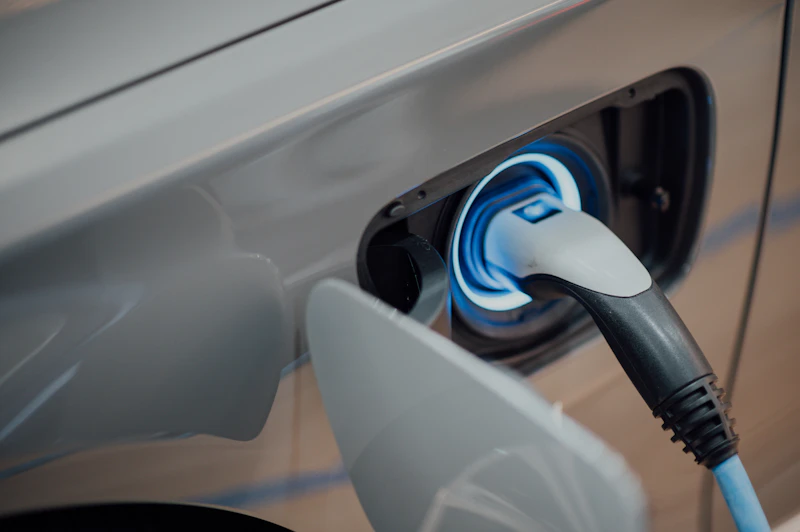
EV Charger Buying Guide: Level 1, Level 2, and DC Fast Charging Explained
Understanding EV charging levels is essential before buying an electric vehicle. Here is everything you need to know about home and public charging options.
BestElectronicsReviewed.com is a participant in the Amazon Services LLC Associates Program. We may earn a commission from qualifying purchases made through links on this page, at no extra cost to you.
EV charging has three levels, each serving a different purpose. Understanding these levels helps you plan your charging infrastructure — both at home and on road trips — before purchasing an electric vehicle.
Level 1: Standard Outlet (120V)
Level 1 charging uses a standard 120V household outlet. Every EV comes with a Level 1 charging cable. It adds approximately 4-5 miles of range per hour of charging — enough to recover 40-50 miles overnight.
Best for: Plug-in hybrids with small batteries, short daily commutes under 30 miles, and overnight charging when you have 12+ hours available.
Not ideal for: Battery EVs driven more than 40 miles daily. The slow charging rate cannot keep up with moderate daily driving.
Level 2: 240V Circuit
Level 2 charging uses a 240V circuit (the same as an electric dryer) and adds 25-40 miles of range per hour. A typical EV with a 60-70 kWh battery charges from near-empty to full in 6-10 hours.
This is the standard for home EV charging. Most EV owners install a Level 2 charger in their garage and charge overnight, waking up to a full battery every morning.
The ChargePoint Home Flex is our top pick for home Level 2 charging. It delivers up to 50 amps (adjustable), includes a 23-foot cable, supports WiFi for scheduled charging, and works with every EV.
DC Fast Charging: Level 3
DC fast chargers bypass the car's onboard charger and pump DC power directly into the battery. Charging speeds range from 50-350 kW, adding 100-200 miles of range in 20-30 minutes at the fastest stations.
DC fast chargers are found along highways and in commercial locations. They are essential for road trips but not practical for daily home use due to cost ($50,000-150,000 per station) and electrical requirements.
CCS: The standard DC fast charging connector used by most non-Tesla EVs.
NACS (Tesla): Tesla's connector, now adopted by most manufacturers as the North American standard. Most new EVs from 2025 onward include NACS ports or adapters.
Home Charging Economics
Home electricity costs $0.03-0.05 per mile for most EVs, compared to $0.10-0.15 per mile for a gasoline car getting 30 mpg at $3.50/gallon. Charging at home is roughly 60-70% cheaper per mile than gasoline.
Time-of-use electricity plans offer even lower rates for overnight charging — often 50% below daytime rates. A smart Level 2 charger with scheduling capability automatically charges during the cheapest hours.
Installation Considerations
Level 2 charger installation requires a dedicated 240V circuit from your electrical panel. If your panel has available capacity, installation runs $300-500 for an electrician. If your panel needs an upgrade, costs increase to $1,500-3,000.
Consider hiring an electrician to install a NEMA 14-50 outlet rather than hardwiring the charger. A plug-in charger is portable — if you move, you take it with you. A hardwired charger stays with the house.
The 30% federal tax credit (up to $1,000) applies to both the charger and installation costs. Many utilities offer additional rebates. The Emporia Level 2 Charger provides smart features at a competitive price point for budget-conscious EV owners.
As an Amazon Associate, BestElectronicsReviewed earns from qualifying purchases.
Recommended Products
Top picks from our buying guides
Related Articles
Best Kitchen Tech for Meal Prep
Meal prep is easier with the right gadgets. From food scales to vacuum sealers, these kitchen electronics save hours every week.
Buyer GuidesWhole House Water Filtration: Smart Filters and Monitoring Systems
From under-sink filters to whole-house systems, smart water filtration monitors filter life, detects contaminants, and ensures clean water from every tap.
Buyer GuidesBest Homework and Study Apps for Middle and High School Students
From math solvers to flashcard apps to essay helpers, these study tools help older students work smarter without doing the work for them.