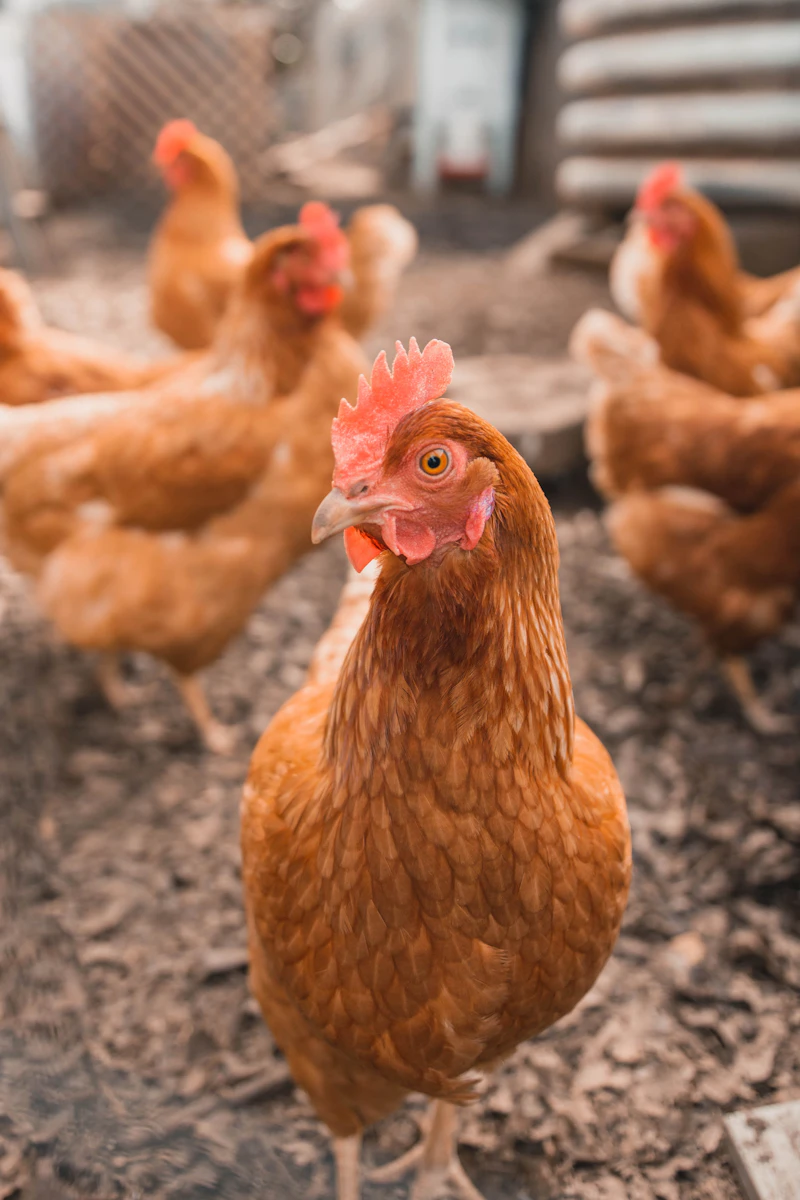
Chicken Coop Automation: Smart Tech for Backyard Flocks
Automatic coop doors, smart lighting, and remote monitoring make backyard chicken keeping easier and safer. Here is how to automate your coop.
BestElectronicsReviewed.com is a participant in the Amazon Services LLC Associates Program. We may earn a commission from qualifying purchases made through links on this page, at no extra cost to you.
Backyard chicken keeping has surged in popularity, and technology is making it more manageable. Automatic coop doors, smart lighting, environmental monitoring, and remote cameras reduce daily chores while improving flock safety and egg production.
Automatic Coop Doors
The single most impactful chicken coop automation is an automatic door. It opens at dawn and closes at dusk, ensuring your flock is protected from predators at night without requiring you to physically open and close the door every day. This is especially valuable in winter when dusk comes early and dawn comes late.
The Omlet Autodoor uses a light sensor to detect dawn and dusk, opening and closing accordingly. It includes a safety mechanism that stops if a chicken is in the doorway. Battery or solar-powered options eliminate the need for electrical wiring to the coop.
The ChickenGuard Premium adds app control and scheduling. You can open and close the door remotely, set specific times, or use the light sensor. The app shows door status and sends alerts if the door fails to close.
Lighting for Egg Production
Chickens need 14-16 hours of light to maintain peak egg production. During winter months with shorter days, supplemental lighting in the coop extends the perceived day length and maintains laying rates.
A smart bulb on a timer provides the simplest solution. Set it to turn on early in the morning (extending dawn) rather than at night (extending dusk) — this lets chickens naturally roost at sunset, which is less stressful. A smart plug with a schedule automates this without daily attention.
Temperature and Humidity Monitoring
Extreme temperatures stress chickens and reduce egg production. A WiFi temperature and humidity sensor in the coop sends phone alerts when conditions become dangerous. Chickens tolerate cold well (down to 0°F for cold-hardy breeds) but are vulnerable to heat above 90°F and humidity above 70% combined with heat.
Automated ventilation fans triggered by temperature sensors prevent heat buildup in summer. In winter, monitoring humidity helps you manage ventilation — too little ventilation causes moisture buildup and frostbite; too much causes dangerous drafts.
Camera Monitoring
A weatherproof outdoor camera pointed at the coop and run lets you check on your flock from anywhere. Detect predator attempts, monitor for sick or injured birds, and count heads before bedtime from your phone. Night vision is essential for catching nocturnal predators (raccoons, foxes, owls) in the act.
The Wyze Cam v3 ($36) with weatherproof housing works well for coop monitoring at a fraction of dedicated agricultural camera costs.
Water and Feeding
Heated waterers prevent freezing in winter. A smart plug that activates the heater when temperatures drop below freezing and turns off above 40°F saves electricity. Automatic feeders with rain covers maintain a consistent food supply without daily refilling.
Nipple-style waterers stay cleaner than open bowls and can be connected to a float valve that maintains water level automatically from a bucket or hose.
As an Amazon Associate, BestElectronicsReviewed earns from qualifying purchases.
Recommended Products
Top picks from our buying guides
Related Articles
Self-Healing Electronics: Materials That Repair Themselves
Imagine a phone screen that heals its own scratches or a cable that reforms after being cut. Self-healing materials are moving from lab curiosity to practical applications.
GuidesCaptioned Video Devices and Services: Never Miss a Word
From live TV captioning to real-time caption glasses, we cover every way to add captions to your video watching and video calling experience.
GuidesSmart Fabrics and Wearable Tech: Clothing That Does More
Smart textiles embed sensors, heating elements, and connectivity into clothing. From heated jackets to biometric shirts, wearable tech is moving beyond the wrist.