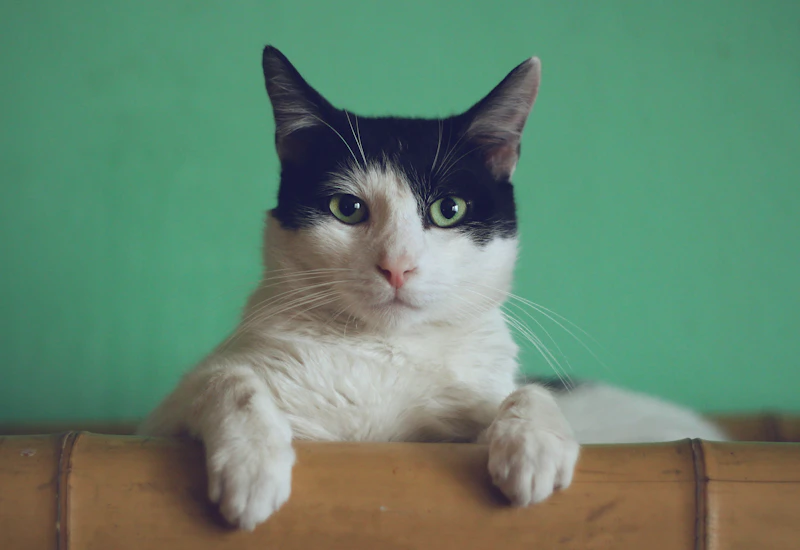
Cat Puzzle Feeders: Mental Stimulation Through Mealtime
Puzzle feeders make cats work for their food, providing mental stimulation that reduces boredom, slows eating, and satisfies hunting instincts.
BestElectronicsReviewed.com is a participant in the Amazon Services LLC Associates Program. We may earn a commission from qualifying purchases made through links on this page, at no extra cost to you.
Indoor cats lack the mental stimulation of hunting, exploring, and problem-solving that outdoor cats experience. Puzzle feeders restore some of this stimulation by making cats work for their food — batting, pawing, poking, and manipulating objects to release kibble or treats.
Why Puzzle Feeders Matter
Cats in the wild spend 6-8 hours daily hunting, which involves stalking, pouncing, problem-solving, and multiple small meals. Indoor cats eat from a bowl in 30 seconds and spend the remaining 23 hours and 59.5 minutes sleeping and staring at walls. Puzzle feeders bridge this gap by making mealtime an activity rather than an event.
Research shows puzzle feeders reduce behavioral problems (aggression, over-grooming, excessive vocalization), slow eating speed (reducing vomiting in fast eaters), promote weight management, and provide cognitive exercise that keeps aging cats mentally sharp.
Beginner Puzzles
Start easy. The Catit Senses Digger has tubes of different diameters that cats reach into with their paws to scoop out kibble. It is intuitive enough that most cats figure it out within minutes, providing a gentle introduction to food puzzles.
Egg carton feeders are a free DIY option — put kibble in the cups of a cardboard egg carton and let your cat fish it out. Paper bags with kibble inside, toilet paper rolls with crimped ends, and crumpled paper balls hiding treats are all free puzzle options.
Intermediate Puzzles
Slow feeder bowls with ridges and mazes force cats to eat around obstacles, dramatically slowing consumption. They reduce the speed-eating-then-vomiting cycle common in cats. LickiMat and similar textured mats work with wet food — spread the food on the mat and cats must lick rather than gulp.
The Trixie Activity Board includes five different puzzle mechanisms on one board — sliding, lifting, poking, pushing, and digging. Cats choose which puzzle to solve, providing variety in a single product.
Advanced Puzzles
For puzzle-savvy cats, multi-step puzzles provide real challenge. The Nina Ottosson puzzles require cats to complete one step to access the next — slide a cover, then lift a peg, then paw out the treat. These complex puzzles keep cats engaged longer and provide deeper mental stimulation.
Electronic puzzle toys add motion and unpredictability. The PetSafe FroliCat BOLT projects a laser dot that moves randomly, combining physical exercise with the thrill of the chase. Timer-based toys activate on a schedule, providing stimulation when you are not home.
Creating a Puzzle Routine
Replace at least one daily meal with a puzzle feeder. Start with easy puzzles and gradually increase difficulty as your cat masters each level. Rotate puzzles every few days to maintain novelty — cats lose interest in the same puzzle repeated indefinitely.
Scatter feeding — hiding small piles of kibble around the house — is the simplest form of food puzzle. Place kibble on windowsills, cat trees, shelves, and behind furniture. Your cat spends time searching, sniffing, and "hunting" rather than eating from a stationary bowl.
As an Amazon Associate, BestElectronicsReviewed earns from qualifying purchases.
Recommended Products
Top picks from our buying guides
Related Articles
Best Kitchen Tech for Meal Prep
Meal prep is easier with the right gadgets. From food scales to vacuum sealers, these kitchen electronics save hours every week.
Buyer GuidesWhole House Water Filtration: Smart Filters and Monitoring Systems
From under-sink filters to whole-house systems, smart water filtration monitors filter life, detects contaminants, and ensures clean water from every tap.
Buyer GuidesBest Homework and Study Apps for Middle and High School Students
From math solvers to flashcard apps to essay helpers, these study tools help older students work smarter without doing the work for them.