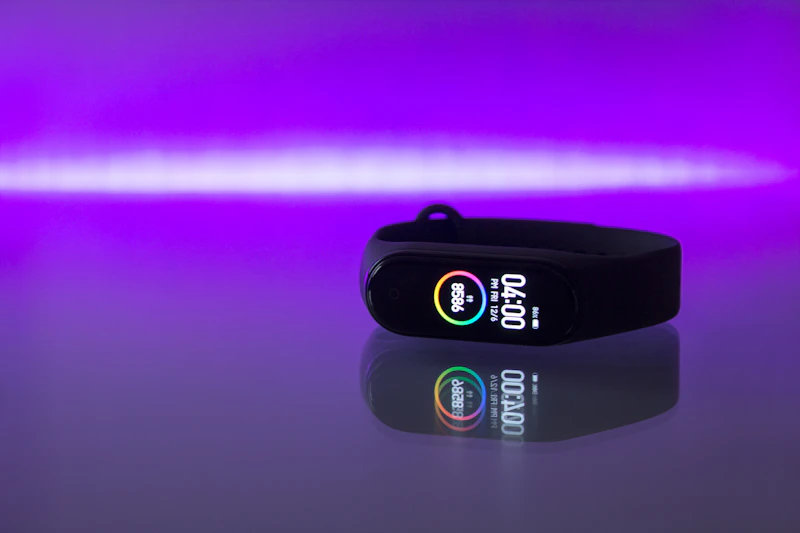
Best Fitness Trackers Under $50 in 2026
You don't need to spend hundreds to track your health. These budget fitness trackers deliver surprisingly capable performance for under $50.
BestElectronicsReviewed.com is a participant in the Amazon Services LLC Associates Program. We may earn a commission from qualifying purchases made through links on this page, at no extra cost to you.
Premium fitness trackers grab all the headlines, but the sub-$50 market has improved dramatically. Today's budget trackers offer heart rate monitoring, sleep tracking, blood oxygen estimation, and multi-day battery life — features that cost $200+ just a few years ago. Here are the best options that won't drain your wallet.
What to Expect Under $50
Let's set realistic expectations. At this price point, you get:
- Optical heart rate monitoring (decent at rest, less accurate during intense exercise)
- Basic sleep tracking (time asleep, light vs deep sleep)
- Step counting and calorie estimation
- Smartphone notifications
- Water resistance (usually IP68 or 5ATM)
- 5-14 day battery life
What you won't get: built-in GPS, ECG, advanced HRV analysis, or premium build materials. These are tracking essentials, not medical devices.
Our Top Picks
1. Xiaomi Smart Band 9 — Best Overall ($35)
The Xiaomi Smart Band 9 is the undisputed king of budget fitness trackers. The 1.62-inch AMOLED display is stunning for the price — bright, colorful, and responsive. Battery life stretches to 16 days with typical use.
Heart rate accuracy is within 5-8 BPM of a chest strap during moderate exercise, which is impressive at this price. Sleep tracking breaks down light, deep, and REM stages with reasonable accuracy. The Mi Fitness app is clean and free — no subscription required.
The only real downside is the mediocre notification handling on iPhone (Android works much better). If you're an iPhone user on a tight budget, this is still the best value, but notification reply options are limited.
2. Amazfit Band 7 — Best Display ($45)
The Amazfit Band 7 pushes the screen size to 1.47 inches with a vivid AMOLED panel. It tracks over 120 exercise types (most budget bands top out at 30-50) and includes Zepp's PAI health score, which translates your activity into a single 0-100 number.
Battery life hits 18 days, the best in this roundup. Blood oxygen monitoring works on demand and during sleep. The Zepp app offers more data visualization than most budget tracker apps, with weekly and monthly health reports.
3. Samsung Galaxy Fit3 — Best for Samsung Users ($40)
If you carry a Samsung phone, the Galaxy Fit3 integrates beautifully with Samsung Health. The 1.6-inch AMOLED display supports customizable watch faces, and the aluminum frame gives it a more premium feel than typical budget bands.
It tracks heart rate, sleep, stress, and blood oxygen, with automatic workout detection for walking, running, and cycling. The 13-day battery life is strong, and Samsung Health's interface is one of the best free health platforms available.
4. Fitbit Inspire 3 — Best Ecosystem ($50)
Right at our budget ceiling, the Fitbit Inspire 3 offers the most polished app experience in this category. Fitbit's platform tracks trends over time, offers challenges with friends, and provides clear health insights without overwhelming you with data.
The color OLED screen, 10-day battery life, and Active Zone Minutes tracking make it a solid all-rounder. The downside is that advanced features like Daily Readiness Score require Fitbit Premium ($10/month), though the free tier is still useful.
5. Huawei Band 9 — Best Battery Life ($40)
The Huawei Band 9 claims up to 14 days of battery life and delivers close to that in practice. The 1.47-inch AMOLED screen is sharp, and the TruSeen 5.5 heart rate sensor is accurate enough for daily monitoring. It also includes skin temperature monitoring and a menstrual cycle tracker.
The catch: Huawei Health doesn't sync with Google Fit or Apple Health natively. You'll need third-party workarounds to export data, which may be a dealbreaker if you use other health platforms.
Tips for Getting the Most from a Budget Tracker
- Wear it consistently. Trend data over weeks and months is more valuable than any single day's numbers
- Tighten the band during workouts. Loose bands cause inaccurate heart rate readings on optical sensors
- Use it as a motivational tool, not a medical device. Step counts and heart rate zones are directionally useful even if not laboratory-precise
- Check app compatibility before buying. Some budget trackers work poorly with iPhone or require obscure apps
The Bottom Line
The Xiaomi Smart Band 9 is our top recommendation for most people. The display quality, battery life, and tracking accuracy are unmatched at $35. If you're in the Samsung ecosystem, the Galaxy Fit3 is worth the slight premium. And if Fitbit's social features and polished app matter to you, the Inspire 3 at $50 is the entry point into their platform.
As an Amazon Associate, BestElectronicsReviewed earns from qualifying purchases.
Recommended Products
Top picks from our buying guides
Related Articles
Best Smart Plugs Under $15 That Actually Work
Smart plugs are the cheapest way to start automating your home, but not all budget options are reliable. These are the ones worth buying.
BudgetBest Gadgets Under $100 Worth Every Penny
The sweet spot of electronics pricing is $50-100. These gadgets deliver flagship-level satisfaction without the flagship price tag.
BudgetBest Bluetooth Speakers Under $50 That Sound Great
You don't need to spend $150+ to get good portable sound. These Bluetooth speakers under $50 deliver impressive audio quality, solid battery life, and durable builds for everyday use.