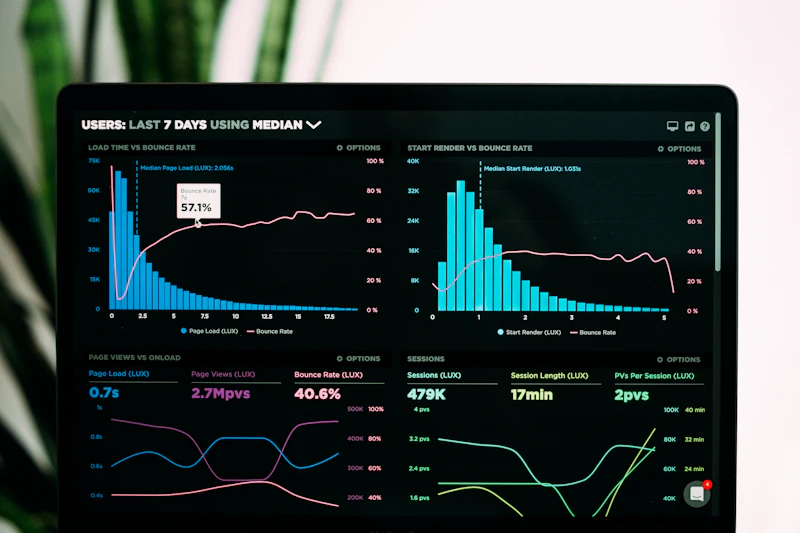
Analytics Tools Comparison: Understanding Your Audience Data
Data should drive your content strategy, but analytics dashboards are overwhelming. Here is what metrics actually matter and which tools present them clearly.
BestElectronicsReviewed.com is a participant in the Amazon Services LLC Associates Program. We may earn a commission from qualifying purchases made through links on this page, at no extra cost to you.
Every platform provides analytics, but most creators either ignore them or drown in meaningless metrics. Understanding which numbers actually predict growth and revenue — and which are vanity metrics — is essential for strategic content creation.
Metrics That Actually Matter
Click-through rate (CTR) measures how many people click your video after seeing the thumbnail. On YouTube, average CTR is 2-10%. Above 10% means your titles and thumbnails are working well. Below 2% means they need improvement regardless of content quality.
Average view duration (AVD) measures how long people watch. YouTube's algorithm primarily rewards watch time. An 8-minute video with 6-minute average view duration outperforms a 20-minute video with 4-minute AVD. Structure your content to maintain attention throughout.
Subscriber conversion rate measures what percentage of viewers subscribe. If many people watch but few subscribe, your content is not compelling enough to generate loyalty. Add clear calls to action and ensure your channel page communicates your value proposition.
Revenue per mille (RPM) measures how much you earn per 1,000 views across all revenue sources. This is more useful than CPM (which only counts ad revenue) for understanding total earnings.
YouTube Studio Analytics
YouTube Studio provides the most detailed creator analytics of any platform. The reach tab shows impressions, CTR, and traffic sources. The engagement tab reveals watch time, AVD, and audience retention curves. The audience tab shows demographics, watch time by geography, and returning versus new viewers.
The audience retention curve is the most actionable metric. It shows exactly where viewers drop off in each video. Consistent drops at the same timestamp indicate structural problems — a boring intro, a mid-video lull, or a premature conclusion. Fix these patterns and watch your AVD improve.
Third-Party Analytics Tools
VidIQ and TubeBuddy extend YouTube analytics with competitor tracking, keyword research, and optimization suggestions. The VidIQ browser extension displays SEO scores, keyword difficulty, and competitor stats directly on YouTube pages. Both offer free tiers with useful features.
Social Blade tracks subscriber and view count growth over time for any public channel. It is useful for competitive analysis — understanding how fast similar channels are growing and what content drives their growth.
Instagram and TikTok Analytics
Instagram Insights (available with business or creator accounts) shows reach, engagement, and follower demographics. The most important metric is engagement rate — (likes + comments + saves + shares) / followers. Above 3% is good, above 6% is excellent.
TikTok Analytics reveals video views, follower activity times, and traffic sources. TikTok's algorithm is less predictable than YouTube's, so content performance varies more. Focus on average view percentage — the percentage of your video that viewers watch. High completion rates signal the algorithm to push your content.
Building a Data-Driven Strategy
Review analytics weekly, not daily. Daily fluctuations are noise. Weekly trends reveal patterns. Monthly reviews help you identify what content categories, formats, and topics consistently perform best.
Create a simple spreadsheet tracking key metrics for each piece of content: topic, format, CTR, AVD, views at 48 hours, and revenue. After 20-30 entries, patterns emerge that guide your content strategy more reliably than gut feeling.
As an Amazon Associate, BestElectronicsReviewed earns from qualifying purchases.
Recommended Products
Top picks from our buying guides
Related Articles
Self-Healing Electronics: Materials That Repair Themselves
Imagine a phone screen that heals its own scratches or a cable that reforms after being cut. Self-healing materials are moving from lab curiosity to practical applications.
GuidesCaptioned Video Devices and Services: Never Miss a Word
From live TV captioning to real-time caption glasses, we cover every way to add captions to your video watching and video calling experience.
GuidesSmart Fabrics and Wearable Tech: Clothing That Does More
Smart textiles embed sensors, heating elements, and connectivity into clothing. From heated jackets to biometric shirts, wearable tech is moving beyond the wrist.