Adaptive Smart Home: Voice, Automation, and Accessibility Combined
Smart home technology is inherently accessible — controlling your home by voice or automation eliminates physical barriers. Here is how to build an accessibility-first smart home.
BestElectronicsReviewed.com is a participant in the Amazon Services LLC Associates Program. We may earn a commission from qualifying purchases made through links on this page, at no extra cost to you.
Smart home technology is one of the most transformative tools for people with disabilities. Controlling lights, locks, thermostats, blinds, and appliances by voice or automation removes physical barriers that make daily life difficult. A well-designed accessible smart home increases independence, safety, and comfort.
Voice Control as the Foundation
Start with a voice assistant that you can reliably control. Amazon Alexa, Google Assistant, and Apple Siri all control smart home devices by voice. Choose based on your ecosystem — if you use an iPhone, Siri and HomeKit integration is seamless. If you use Android, Google Assistant has the deepest integration.
Place smart speakers in every room you use regularly. The Echo Dot 5th Gen is affordable enough to deploy throughout the house. For rooms where you need visual feedback, an Echo Show or Nest Hub displays controls, camera feeds, and visual timers.
Essential Accessible Automations
Motion-activated lights eliminate the need to reach switches. Smart bulbs like Philips Hue with motion sensors turn on when you enter a room and off when you leave. For wheelchair users, this removes the need to reach wall switches that may be at an uncomfortable height.
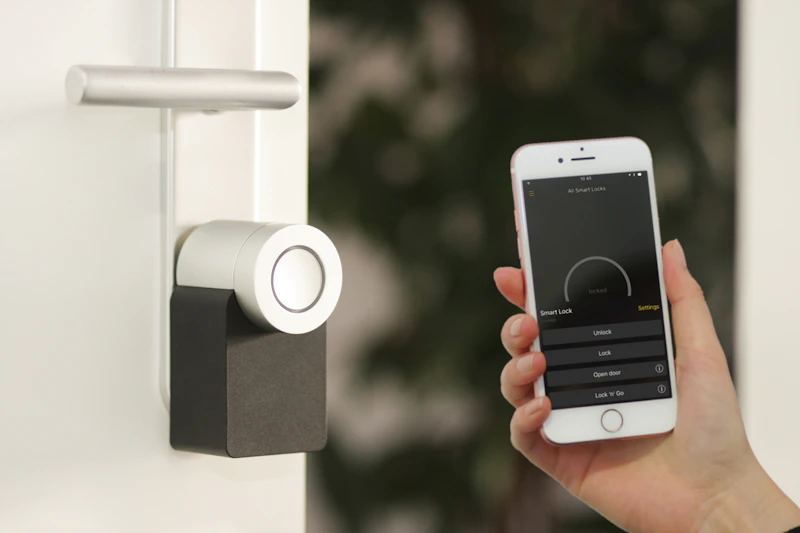
Automated door locks let you unlock doors with voice commands, phone buttons, or approaching proximity. Smart locks like the August WiFi Smart Lock work with existing deadbolts and unlock automatically when your phone is nearby — no fumbling with keys.
Automated blinds and curtains can be controlled by voice or schedule. Open them automatically at sunrise and close at sunset, or command them by voice when glare becomes an issue. This is particularly helpful for mobility-impaired users who cannot reach window treatments.
Safety and Monitoring
Smart smoke, CO, and water leak detectors send alerts to your phone and can trigger other actions — turning on all lights during a smoke alarm, unlocking doors, and notifying emergency contacts. Nest Protect and Ring Alarm systems integrate these safety alerts into a cohesive system.
Video doorbells and indoor cameras provide visual awareness of your home. For deaf users, these replace audio-dependent doorbells with visual alerts and two-way video communication. For mobility-impaired users, they eliminate the need to physically go to the door to see who is there.
Medication and Health Reminders
Smart displays and speakers deliver medication reminders at scheduled times. Alexa Reminders, Google Routines, and Apple Shortcuts can announce medications, display pill images, and confirm when doses are taken. Connect a smart pill dispenser for automated dispensing with tamper alerts.
Building Block by Block
Start with the highest-impact automation for your specific needs. For mobility impairments, smart lights and locks come first. For vision impairments, voice control of everything is the priority. For hearing impairments, visual alerting systems take precedence.
Use the Matter protocol when possible — it works across all major platforms and reduces the risk of vendor lock-in. Most new smart home devices support Matter, ensuring they work with Alexa, Google, Apple, and Samsung SmartThings interchangeably.
As an Amazon Associate, BestElectronicsReviewed earns from qualifying purchases.
Recommended Products
Top picks from our buying guides
Related Articles
eSIM for International Travel: Complete Setup Guide for iPhone and Android
Skip the SIM card shops at the airport. An eSIM gives you instant data in 190+ countries at a fraction of roaming costs. Here is how to set one up.
How-ToHome Network Wiring: Run Ethernet Through Your House Like a Pro
WiFi is convenient but ethernet is faster and more reliable. Here is how to run ethernet cables through your home without destroying your walls.
How-ToHow to Light a Video Call So You Look Professional
Lighting is the difference between looking washed out and looking polished on video calls. Here's a simple setup that takes 5 minutes and costs under $50.